A Journey of Growth : Nena Aruna 2025/26
On May 12, 2025, Co-Chair of the previous year’s Nena Aruna, Visal ayya, asked me if I would like to take up the role this year. My honest answer, even to myself, was uncertainty. To me, Nena Aruna felt like a big project; something far beyond what I thought I could handle.
Then on July 19, Ishara ayya reached out again and explained that the main responsibility would be the O/L seminar series, supported through district coordinators. It was clarified that the role was not about being physically present everywhere, but about building a system and working through coordination. That helped to make the process clearer and more practical moving forward.
By July 28, we had our first official meeting with my fellow Co-Chairs, Kavishka and Pasindu, along with the Community Service Avenue Co-Directors, Ishara ayya, Oshani akka, and Sayuranga ayya. That day quietly marked the beginning of everything. It was also the first time I met Pasindu, while Kavishka was already someone I knew from Sasnaka Sarasavi Piyagatapela.
From there, we started building.
On August 12, we began designing OC calling flyers, and after several iterations, the final version was published on August 16. By August 25, we received around 140 responses. It felt like a huge success… until we realized some districts had no representation, and some had only one volunteer. That was our first real challenge.
But that challenge shaped what came next.
We formed community groups and appointed key roles such as District Coordinators, Design Head, Editorial Head, and Paper & Curriculum Head. On September 6, we had our first meeting with District Coordinators. By September 20, we sent a welcome message to all volunteers, and on September 28, discussions with coordinators and directors strengthened our direction.
On October 2, we introduced a new logo, including the Tamil name, making Nena Aruna more inclusive.
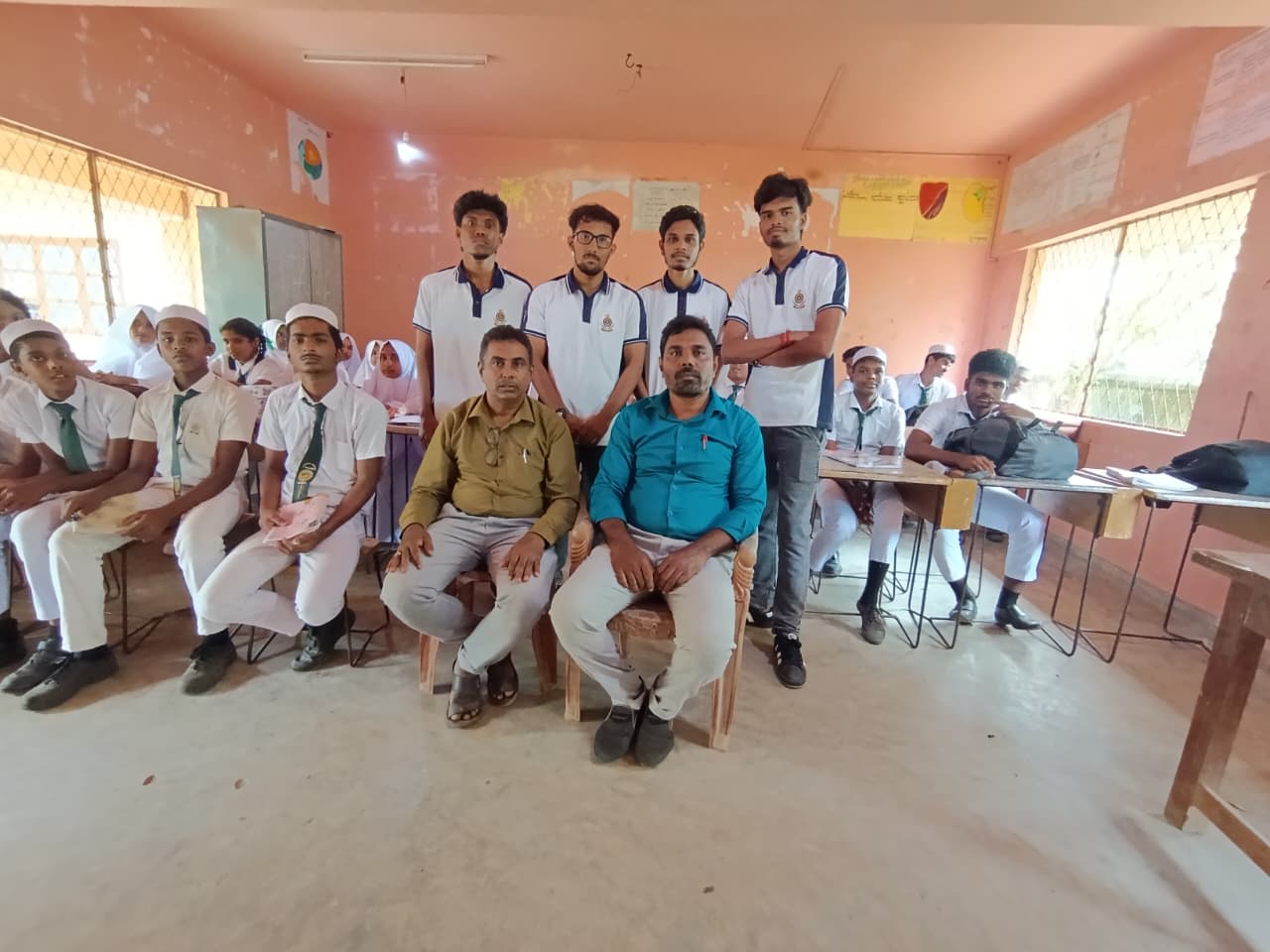
On October 10, first physical seminar was held in Matara. A special thank you to Shehan and Dineth, who did a remarkable job despite it being the very first session.
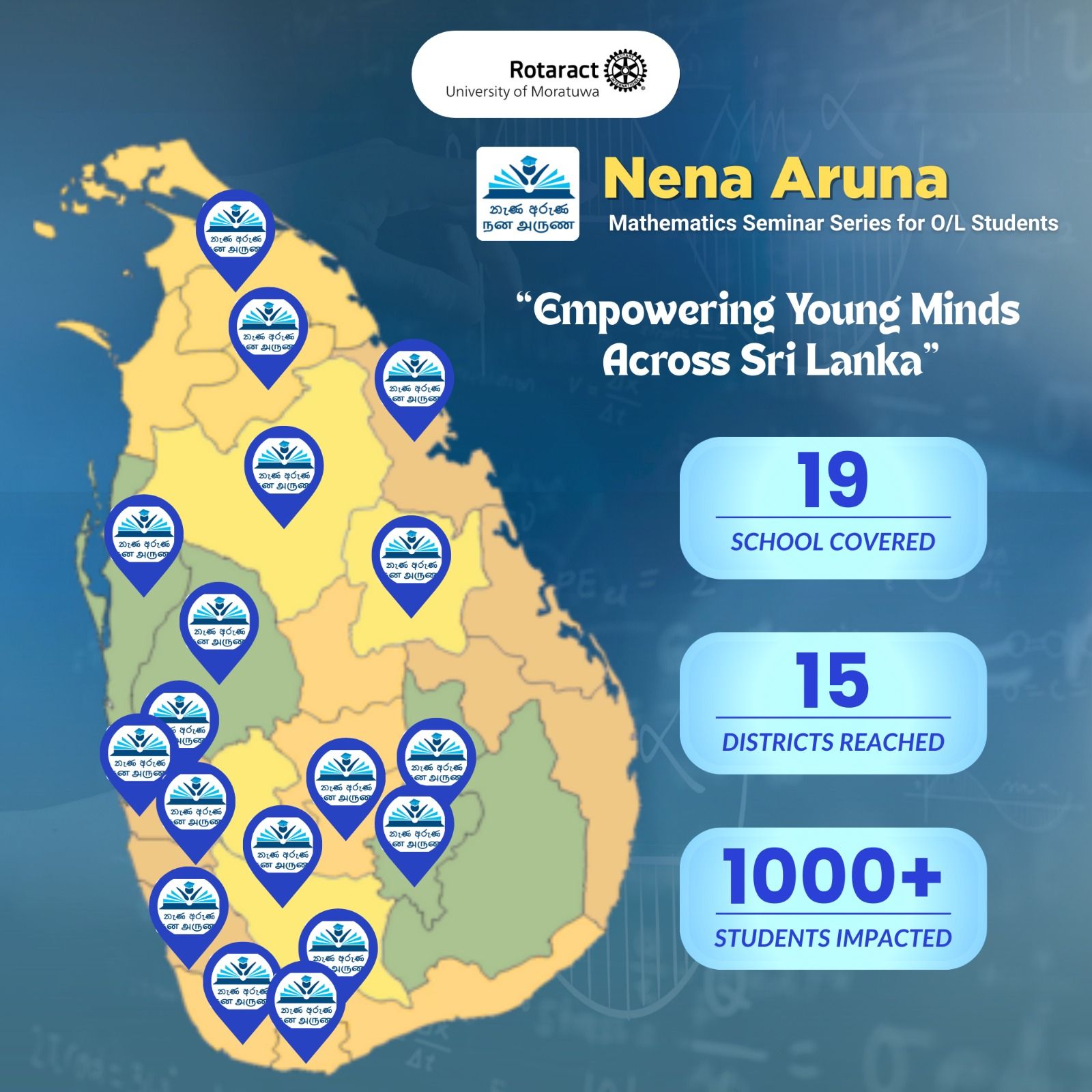
From there, seminars expanded across the island; Galle, Polonnaruwa, Anuradhapura, Vavuniya, Nuwara Eliya, Ratnapura, Badulla, Kurunegala, Colombo, Gampaha, and again Matara. What made it special was not just the locations, but the people behind them. District Coordinators took ownership, volunteers stepped up, and the project began to run through teamwork rather than control.
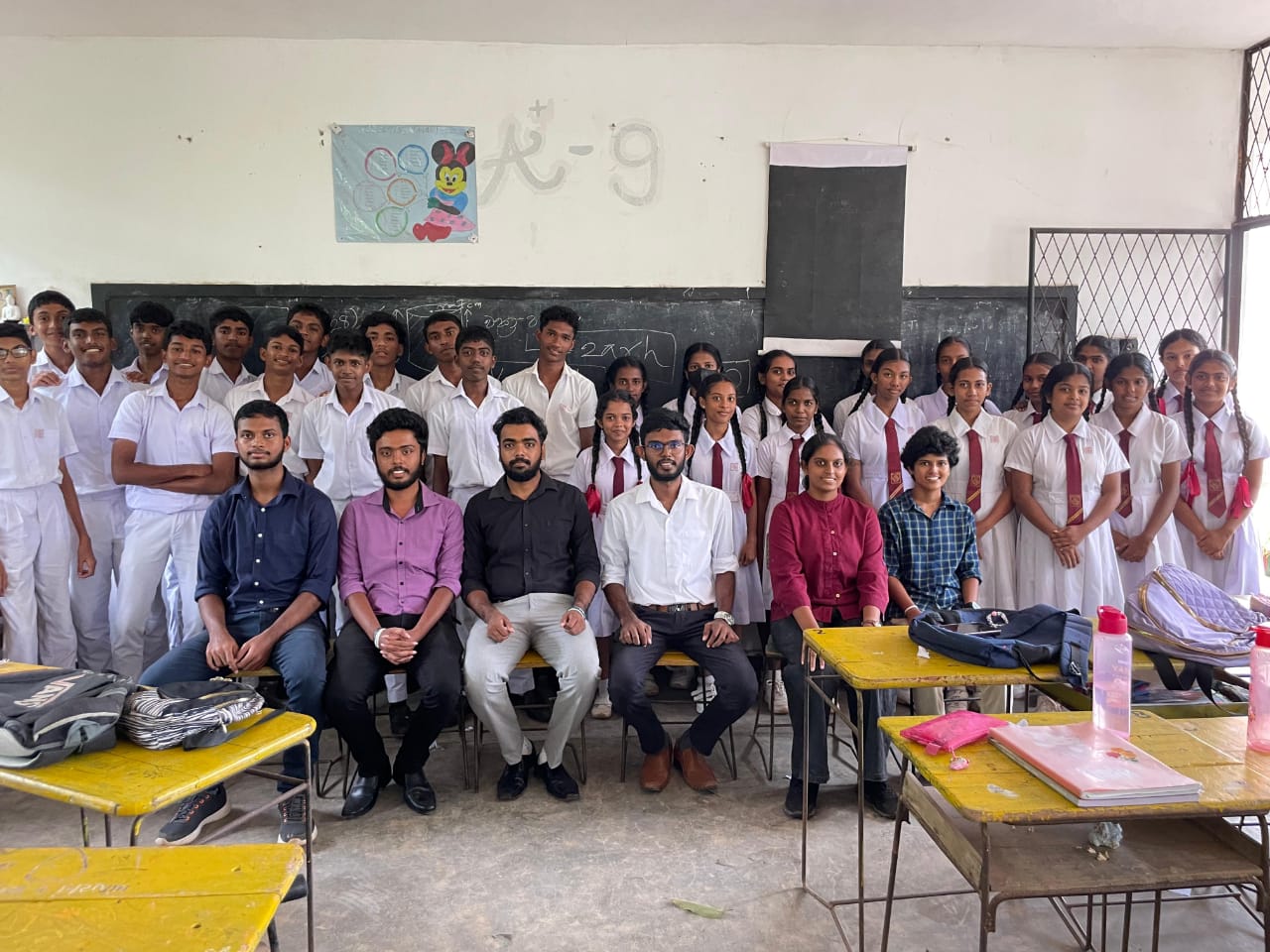
By November 26, the 13th seminar was successfully held in Gampaha.
At this point, priorities across the country shifted due to Ditwa. Plans had to adjust, timelines changed, and uncertainties arose. Yet, even during that period, the commitment of the team did not stop.
Seminars continued across multiple districts during this period, reaching Trincomalee on December 24, Kilinochchi on December 29, Puttalam on December 30, Kalutara on December 31, and concluding this phase with the 18th seminar held in Badulla on January 23, 2026.
Alongside the physical seminars, the online seminar series emerged as another important yet challenging phase. With limited time, overlapping commitments, and growing pressure, the situation often felt uncertain.

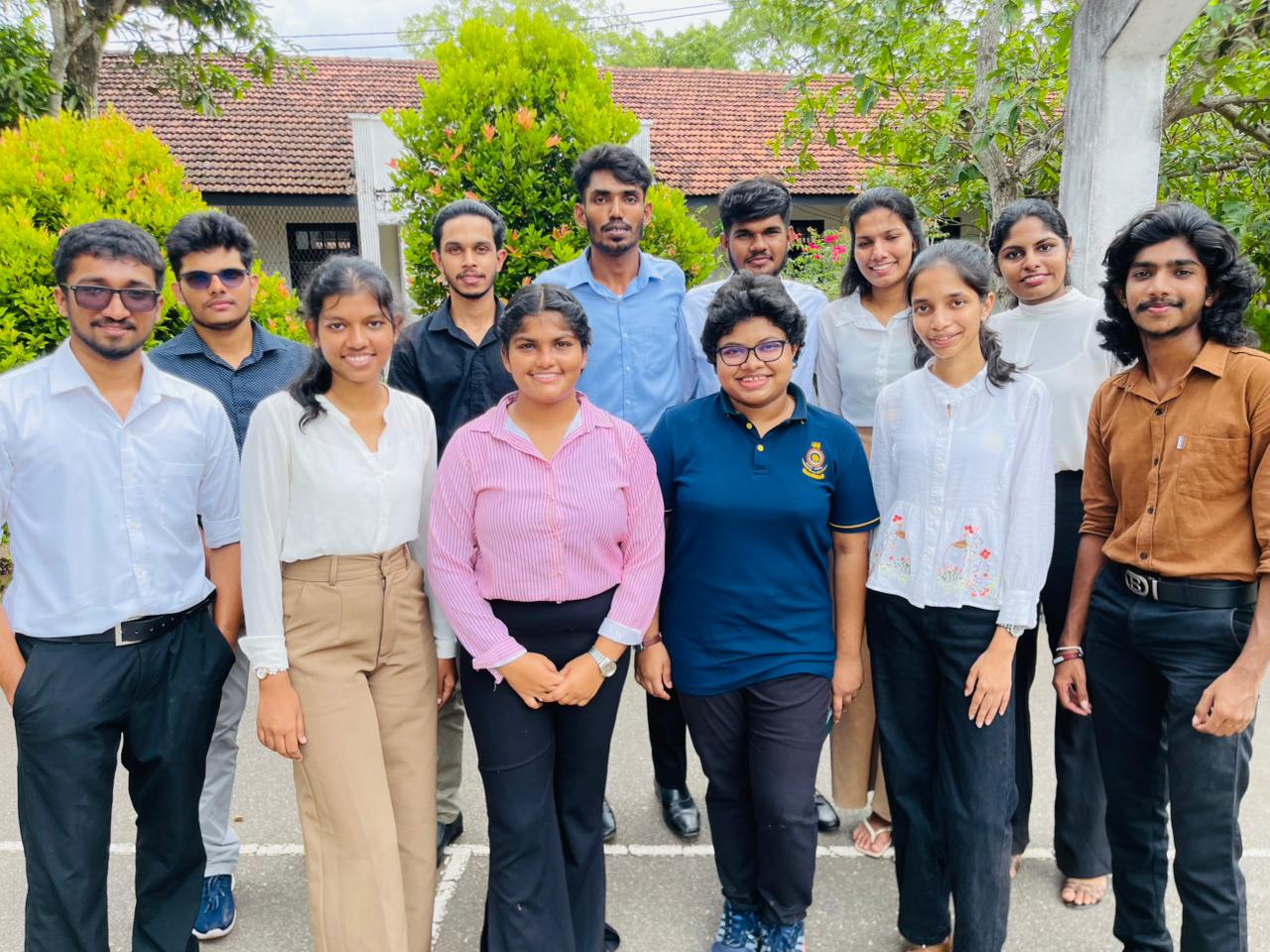
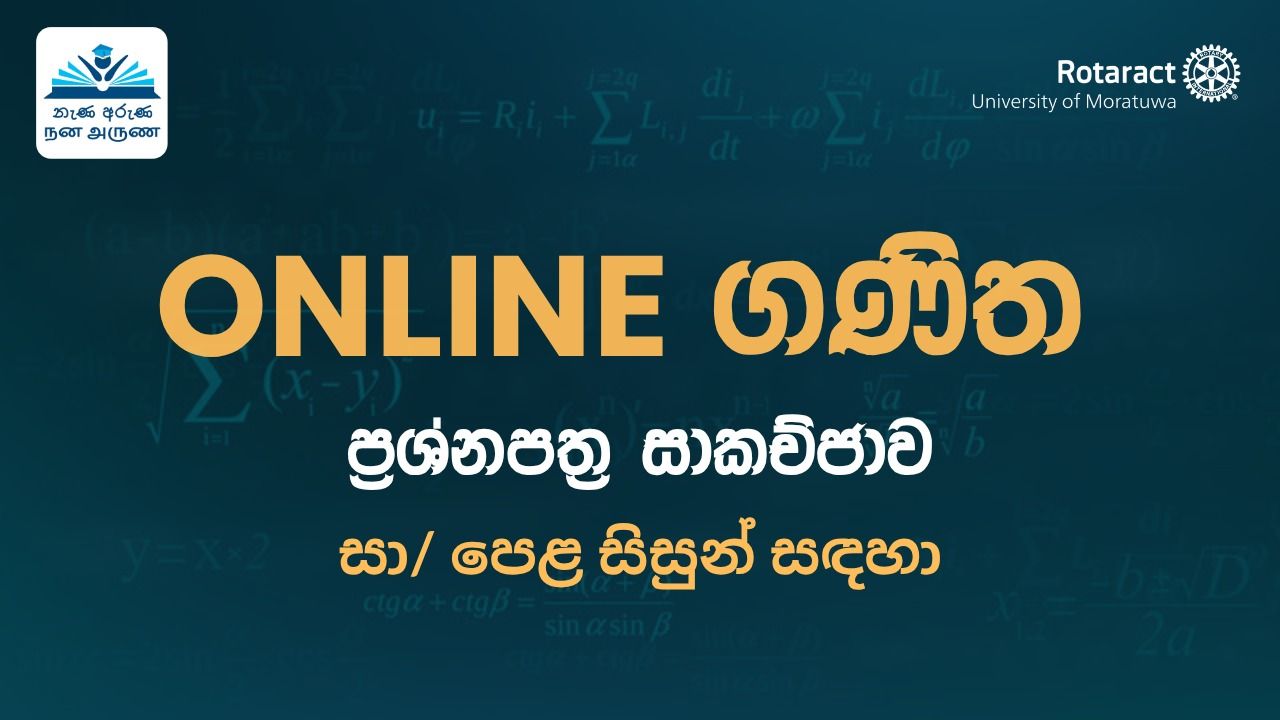
On January 9, the first online seminar flyer was released, followed by the first online seminar on January 12. Despite the short timeframe, from January 12 to 20, we successfully conducted eight online seminars, covering three model papers for O/L students.
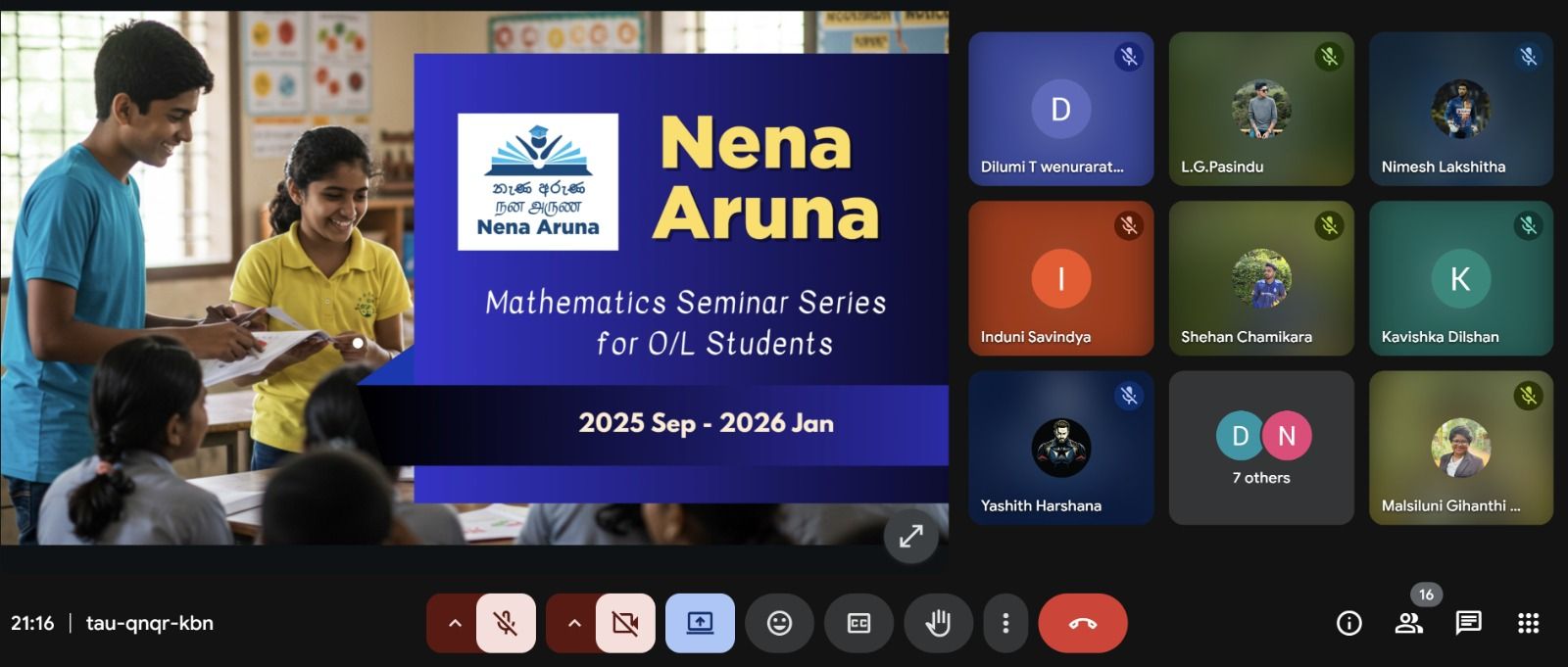
Even if numbers didn’t meet expectations, something more meaningful did; messages from students, simple “thank you,” and the quiet realization that even a small effort can make a difference in someone’s learning journey.
A heartfelt thank you to Nimesh, Dileesha, Ravindu, Pankaja, Nethmika, and Nuran for their dedication in conducting these sessions with clarity, consistency, and genuine commitment to supporting students.
This journey was never about one person.
It was about the District Coordinators who ensured each seminar happened, the volunteers who gave their time selflessly.
It was about Abdulla ayya and Design Team, who brought every idea to life visually.
It was about Kethmi and Editorial Team, who ensured every message was delivered clearly and effectively.
It was about Shehan, Kawya, and their team, who developed nearly 10 model papers.
It was about my fellow Co-Chairs; with PR myself, handling communications, managing flyers, captions, and overall outreach,
Kavishka, who ensured materials, papers, and permissions were always ready,
Pasindu, who handled seminar coordination,
and the way we supported each other whenever one of us felt stuck.
It was also about the past Co-Chairs, Visal ayya and Sadeepa ayya, who were always there to guide us, sharing their experience and helping us navigate how the project was carried forward from the previous year.
It was also about the Co-Directors of the Community Service Avenue, who stood by us through every challenge and constantly guided us with ideas, feedback, and improvements that strengthened every output we delivered.
And it was about the continuous support from the Editorial and Design Directors, who consistently shaped and refined our PR and editorial work through their guidance, feedback, and creative direction.
Alongside them, we are equally grateful to every member of Rotaract Mora whose indirect support, encouragement, and collaborative spirit played a meaningful role in making this journey possible.
Looking back, this journey was not just about organizing seminars.
It was about learning to trust people, adapting to unexpected challenges, and continuing forward with a shared purpose.
More than anything, it showed that meaningful impact does not come from perfection, but from collective effort, consistency, and the willingness to show up even when circumstances change.
And that is what Nena Aruna became;
not just a seminar series, but a movement built on trust, teamwork, and quiet dedication across every district, every session, and every person who chose to be part of it.
A reminder that when people come together with purpose, even the smallest efforts can grow into something that reaches far beyond classrooms.