Wind Power in Mannar: A Test of Sustainable Development, Governance, and Public Trust
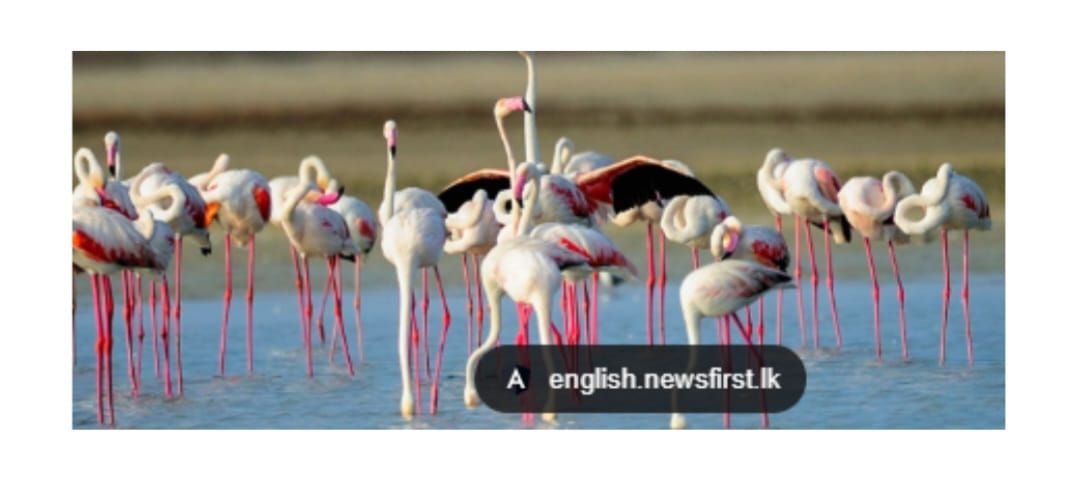
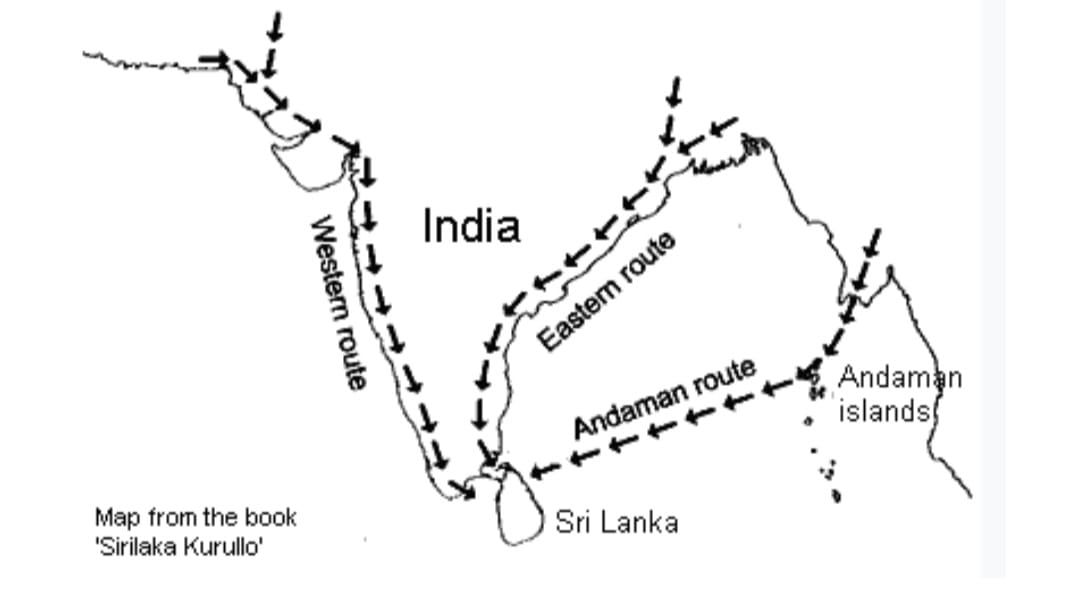
‘Sri Lanka is in the middle of one of those pathways. This pathway is known as the Central Asian Flyway. Birds from about 30 countries fly through this pathway. Most importantly, Sri Lanka is at the lowest point of this Central Asian Flyway. That means the next land area if those birds fly downwards, will be Antarctica, which is about 8000 to 9000 km away from the land of Sri Lanka. So, the large number of birds who fly through the Central Asian Flyway should stay in Sri Lanka as their final destination.
About one billion migratory birds fly in this Central Asian Flyway. It is estimated that 15 million birds come to Sri Lanka annually from them. These 15 million birds enter the country through three main entrances. Mannar is one of those entrances. ‘(-climatefactchecks.org )
Introduction: A Local Story with National Importance
In Mannar, long rows of wind turbines now stand along the coast, turning strong sea winds into electricity. At first glance, this looks like progress—clean energy, modern technology, and a step toward reducing climate change.
But the situation in Mannar is more complex.
The real question is not simply whether wind energy is good or bad. Instead, Mannar raises a deeper issue:
Can Sri Lanka achieve development that is environmentally responsible, socially inclusive, and transparently governed?
Climate Context: Why Wind Energy Matters
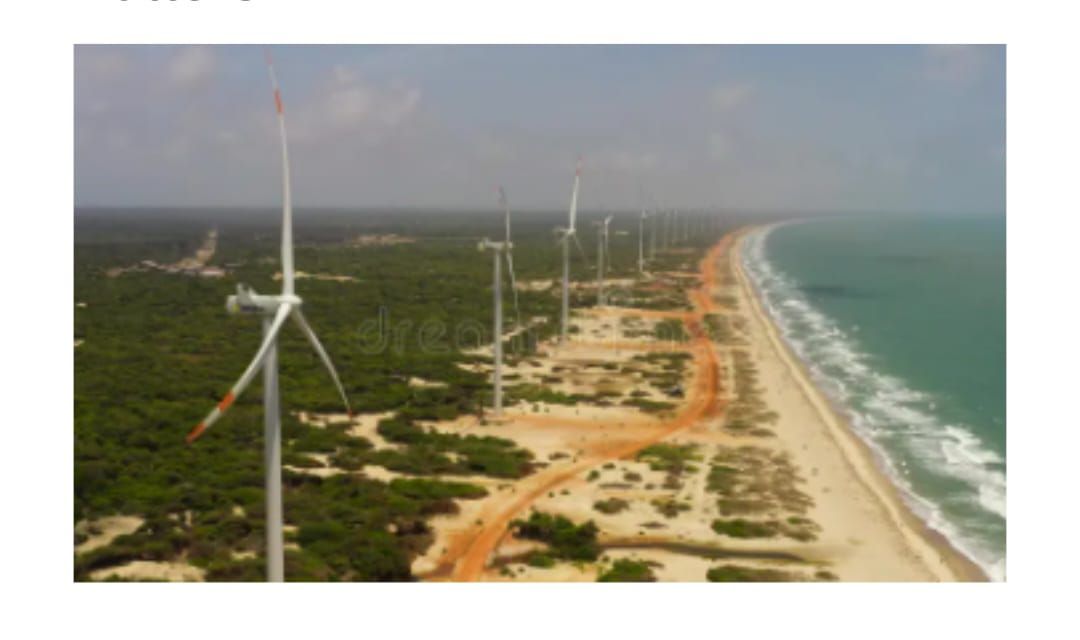
(Image Source = Aerial View of Windmills Farm in Sri Lanka. Stock Video - Video of countryside, equipment: 260631207 )
Sri Lanka is highly vulnerable to climate change. Floods, droughts, and rising temperatures are already affecting livelihoods.
To respond, the country is expanding renewable energy. Wind power plays a key role, with projects led by the Ceylon Electricity Board and supported by foreign investment.
From a policy perspective, this aligns with global commitments to reduce carbon emissions and achieve sustainable development.
However, how these projects are implemented is just as important as why they are needed.
Mannar Case Overview: Energy Meets Ecology
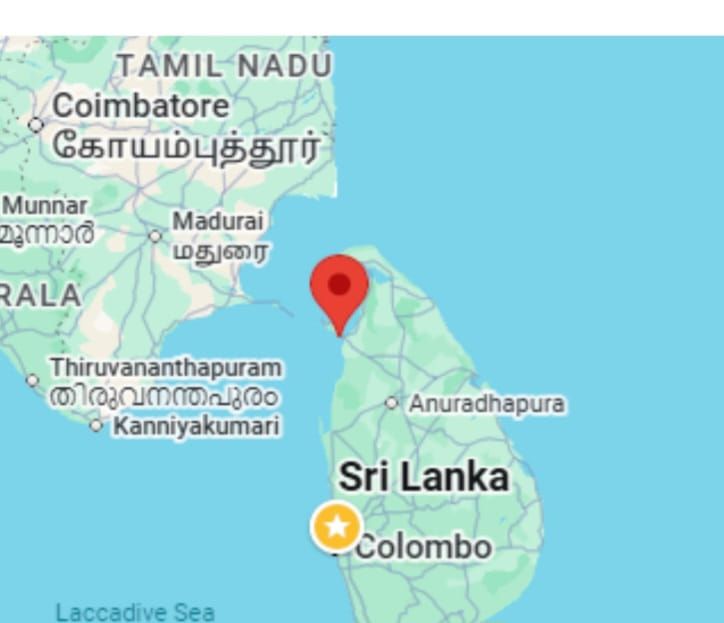
Mannar is not an ordinary project site. It is one of Sri Lanka’s most ecologically important regions.
The area lies along the Central Asian Flyway, a major migratory route used by thousands of birds each year. Wetlands such as the Vankalai Sanctuary are internationally recognized for their biodiversity.
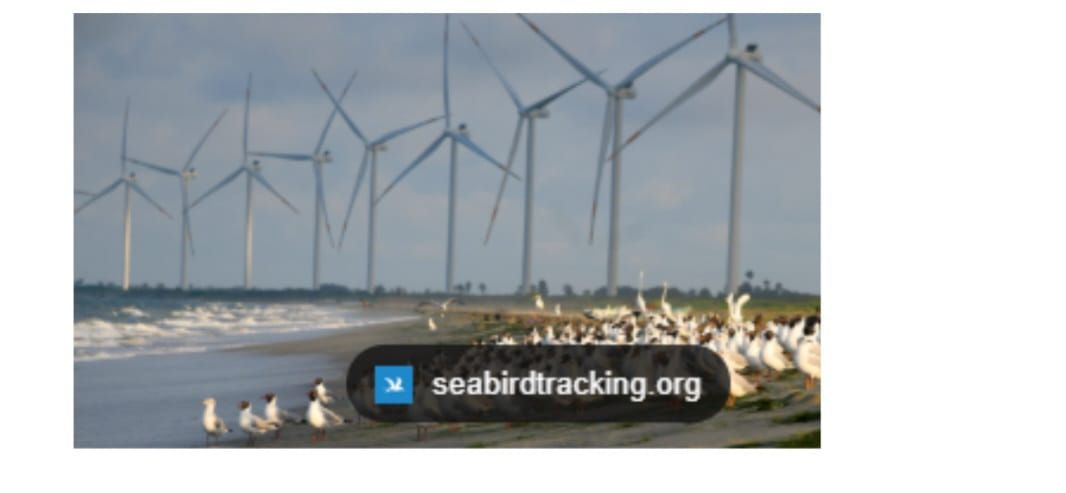
At the same time, Mannar has become a hub for large-scale wind energy development, including the Mannar Wind Power Project and proposed expansions involving the Adani Group.
This creates a direct overlap between:
- National energy priorities
- Sensitive ecosystems
- Local livelihoods
Community Concerns: Development Without Inclusion?
Local communities in Mannar have not remained silent.
According to reports from TimesOnline and The Island, protests have taken place, including opposition from religious groups.
The concerns raised are not limited to environmental impact. They include:
- Lack of meaningful public consultation
- Limited access to project information
- Concerns over sand mining and land use
- Fear of impacts on fishing livelihoods
This highlights a key issue: public participation has been weak or procedural rather than meaningful.
Development projects that ignore community voices often face resistance, even if the project itself has benefits.
Environmental Impact: Bird Safety in a High-Risk Zone
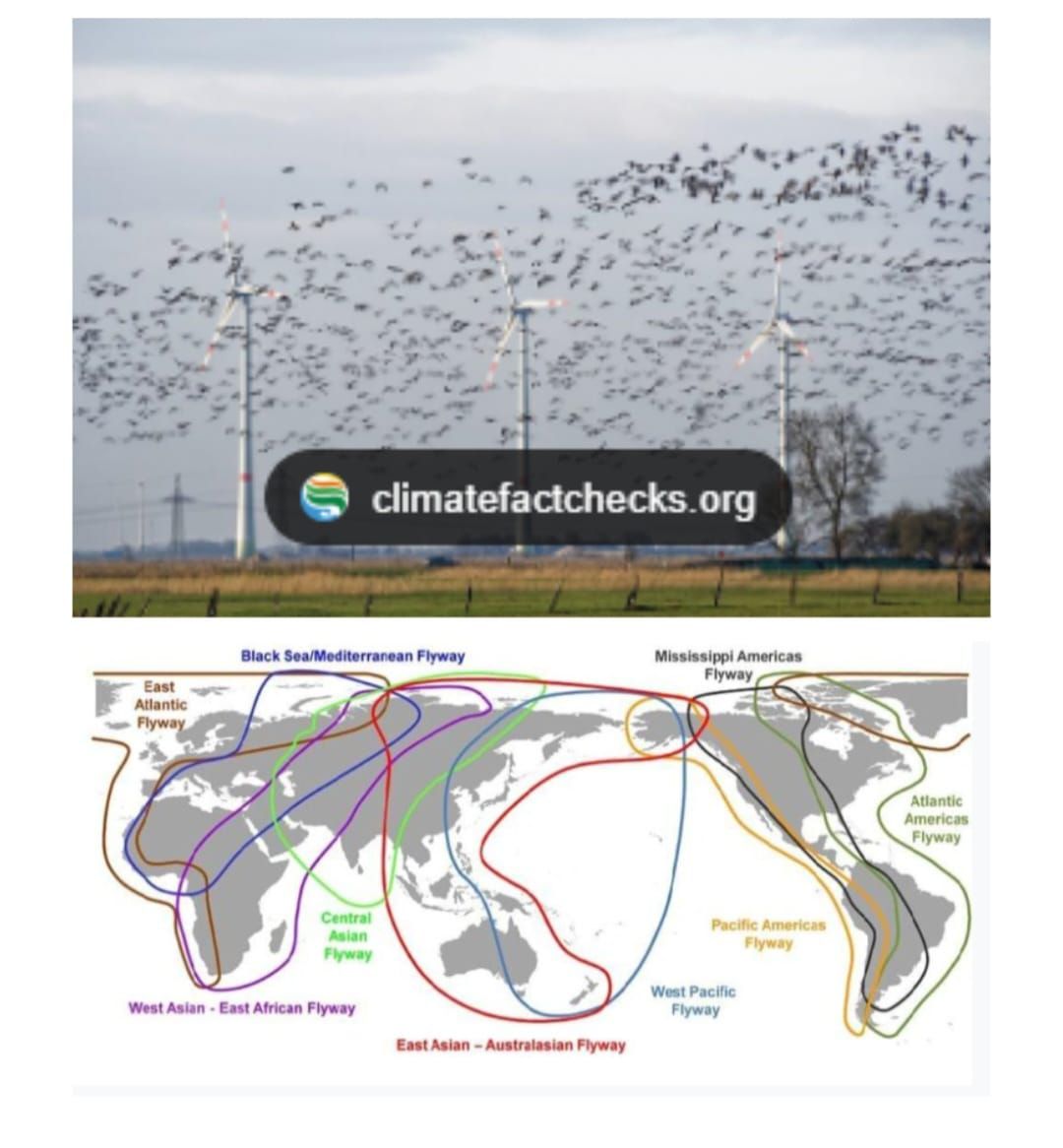
Bird collisions with wind turbines are a known issue globally. In Mannar, the risk is higher due to location-specific factors.
Migratory birds:
- Travel in large numbers through this exact region
- Use coastal wind currents that overlap with turbine zones
- Depend on Mannar’s wetlands for survivalWhile studies show that turbines are not the largest cause of bird deaths, the concentration of biodiversity in Mannar makes even small impacts significant.
Youth and Public Engagement: A Missing Link
Youth engagement remains limited in such large-scale development discussions.
Young people can play a role by:
- Advocating for transparency
- Participating in environmental monitoring
- Raising awareness on sustainable development
Involving youth is not just symbolic—it strengthens accountability and long-term sustainability.
Conclusion: Mannar as a Governance Test Case
Mannar is more than a wind energy project.
It is a real-world test of whether Sri Lanka can balance:
- Development and environmental protection
- National goals and local rights
- Investment and accountability
Wind energy is necessary. But sustainability is not only about clean power—it is about fair processes, informed decisions, and shared responsibility.
If governance improves, Mannar can become a model for sustainable development.
If not, it risks becoming an example of how even “green” projects can fail without public trust.
Written by Karunaharan Ramilan