How AI Avatars Are Taking Over the Internet
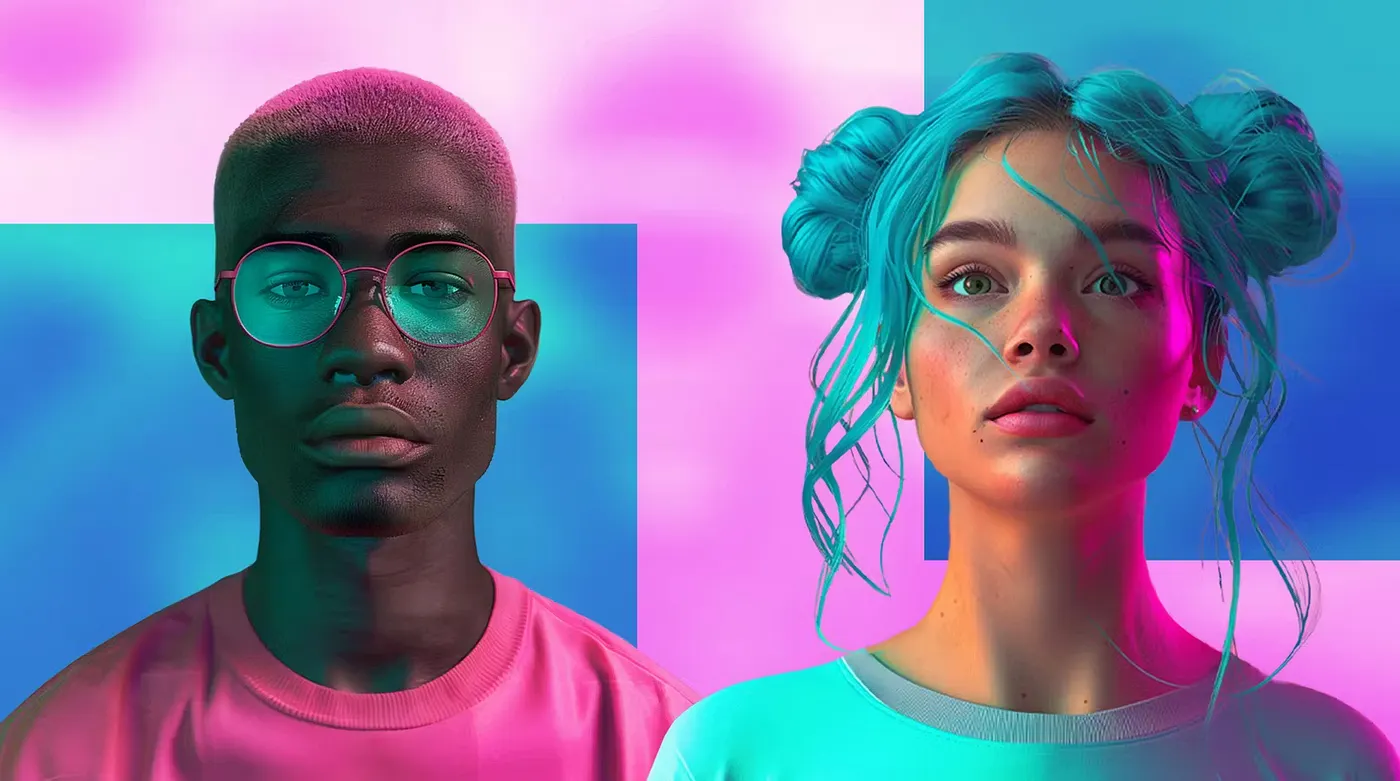
The internet is changing rapidly. One of the most fascinating developments today is the rise of digital humans ;AI-powered avatars that look, speak, and behave like real people. These virtual personalities can host videos, answer questions, teach lessons, and even influence millions of followers online.But what exactly are digital humans, and could they actually replace real people online?Let’s explore this exciting technology.
What Are Digital Humans?
A digital human is a computer-generated person powered by artificial intelligence. These avatars can speak naturally, show facial expressions, and interact with people in real time.
Digital humans are created using technologies such as:
- Artificial Intelligence (AI)
- Machine Learning(ML)
- 3D Modeling and Animation
- Natural Language Processing (NLP)
- Voice Synthesis
Because of these technologies, digital humans can appear almost indistinguishable from real people. Companies like Soul Machines, UneeQ, and NVIDIA are leading the charge in building these platforms commercially.
Example 1: Virtual Influencers on Social Media
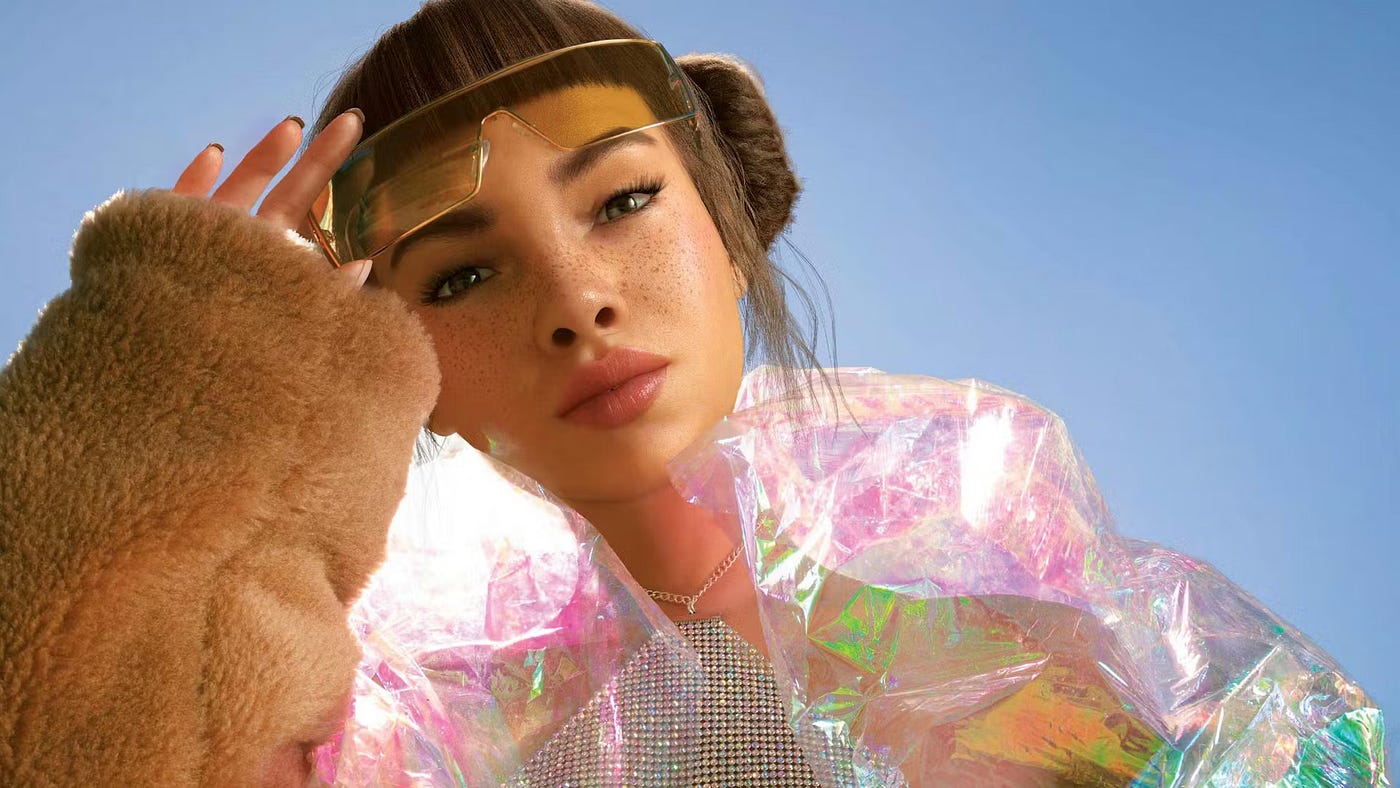
One of the most famous digital humans is Lil Miquela, a virtual influencer on Instagram with over 2.5 million followers. Although she looks like a real person, she is a CGI character created by the startup Brud. She posts photos, promotes fashion brands like Prada and Calvin Klein, and interacts with followers just like a real influencer.
But Lil Miquela is far from alone:
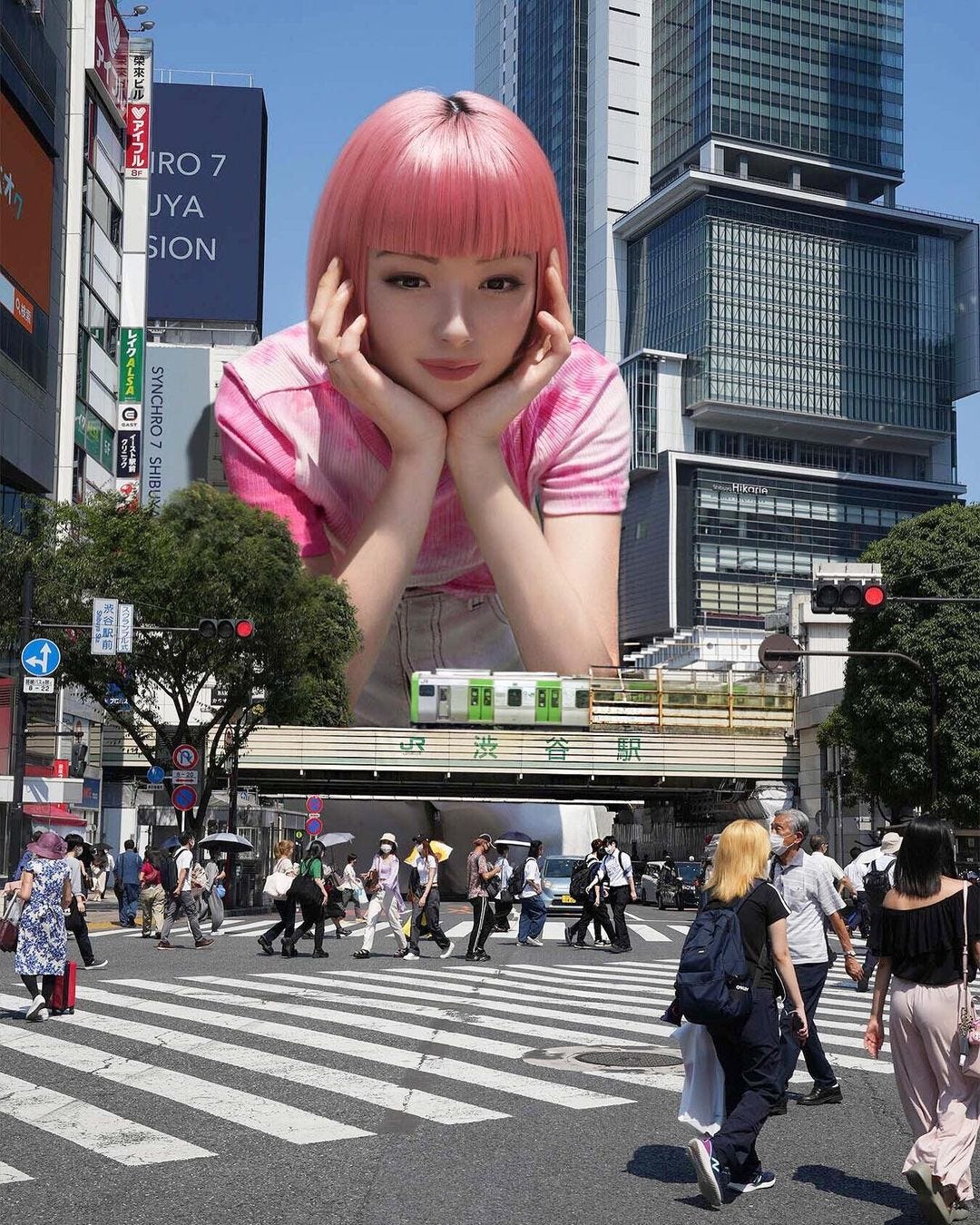
- Imma-A pink-haired Japanese virtual influencer who has partnered with brands like IKEA and Porsche, and regularly appears in Japanese fashion magazines.
- Shudu Gram -Described as the world’s first digital supermodel, created by photographer Cameron-James Wilson. She has been featured by Rihanna’s Fenty Beauty brand.

Why companies use virtual influencers:
- Never get tired.
- Never age or change appearance unexpectedly.
- Brands have full control over their actions.
Example 2: AI News Presenters
Some news companies are already using AI-generated news anchors to deliver content around the clock.
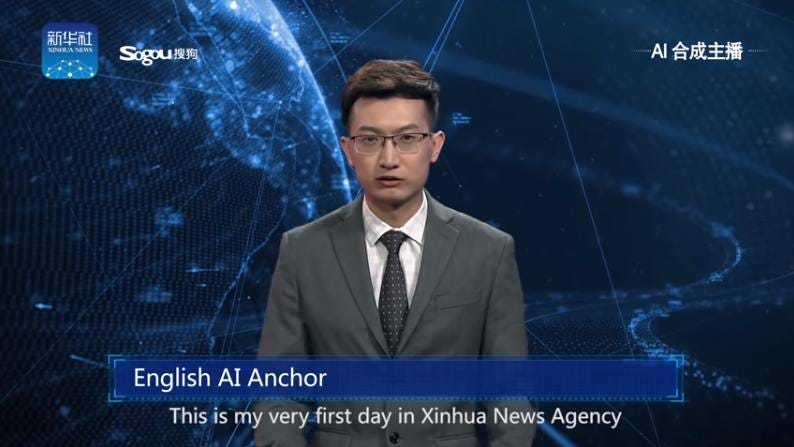
- Xinhua News Agency (China) introduced AI news anchors as early as 2018. Their digital presenter could read news stories 24/7 without breaks, modeled on real human anchors.
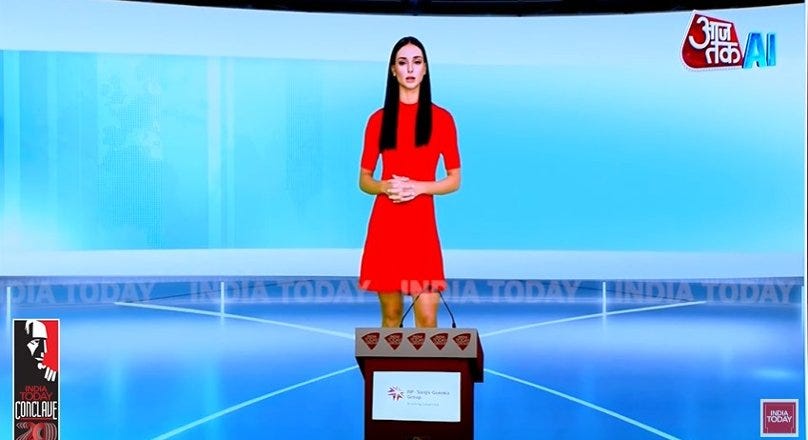
- India’s Aaj Tak launched Sana, one of India’s first AI news anchors, in 2022. Sana delivers bulletins in Hindi and English and is built on AI voice and face synthesis.
Benefits include:
- News can be delivered any time of day or night.
- Lower production costs.
- Ability to produce content in multiple number of languages simultaneously.
- No need for studio lighting or makeup,
However, critics worry about the spread of automated misinformation if AI-generated news is not carefully monitored and labeled.
Example 3: AI Customer Service Agents
Many companies now use AI avatars for customer service on websites and apps.
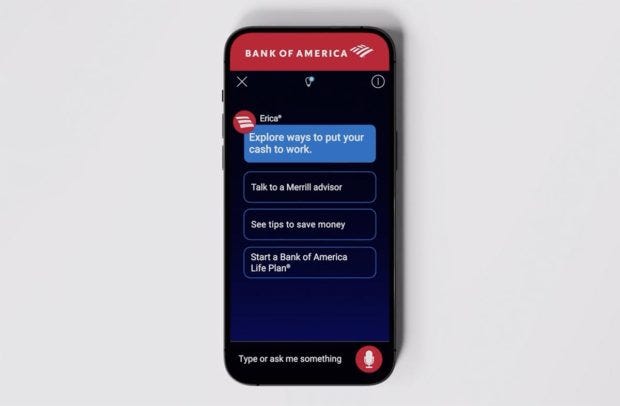
- Bank of America’s Erica — While text-based, Erica handles over 1.5 million client interactions every day, guiding users through banking tasks.
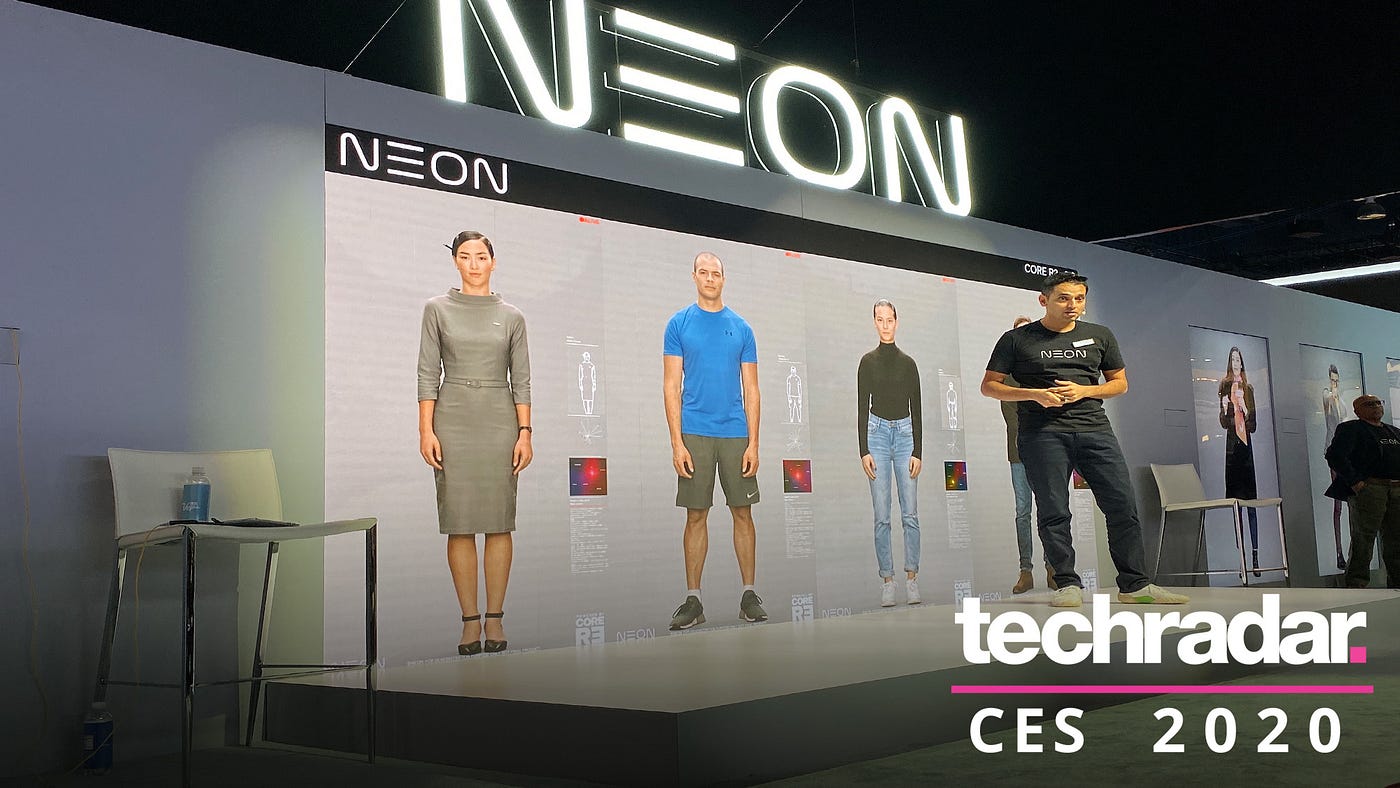
- Samsung’s NEON -Presented at CES 2020, NEON avatars are designed to serve as AI companions and customer service agents, capable of expressing emotions and unique personalities.
These virtual assistants can:
- Help customers find products.
- Solve technical problems in real time.
- Provide personalized recommendations.
- Serve multiple number of customers simultaneously without wait times.
Example 4: AI Teachers and Trainers
Digital humans are also transforming education and professional training.
- Khanmigo by Khan Academy -An AI tutor that uses conversational AI to guide students through lessons and answer their questions like a patient personal tutor.

- Duolingo’s mascot Duo -While cartoon-styled, Duolingo uses AI-powered interactive characters to teach over 40 languages to more than 500 million users globally.
Advantages include:
- Students can learn anytime, anywhere.
- Personalized explanations tailored to each student’s pace.
- Unlimited patience for repeating lessons.
- Training that scales to millions simultaneously.
Example 5: AI Entertainers and Digital Celebrities
The entertainment world is one of the fastest-growing areas for digital humans.
- Virtual K-Pop Group aespa (SM Entertainment)-Each real member has a digital avatar counterpart that appears in music videos, virtual worlds, and social media content independently.
- Hatsune Miku-A legendary virtual pop star from Japan who has sold out real concert halls worldwide, performing as a hologram on stage before thousands of screaming fans.

Digital humans offer many benefits:
1. Always Available -They can work 24/7 without breaks, holidays, or sick days.
2. Scalable -One AI avatar can interact with thousands, even millions, of users simultaneously.
3. Cost Effective-Companies dramatically reduce costs related to hiring, production, travel, and studio time.
4. Consistency -Digital humans deliver consistent, on-brand information every single time, with no bad days.
5. Multilingual -A single digital human can speak multiple number of languages fluently, making global reach seamless.
Concerns and Ethical Issues
Despite their advantages, digital humans raise several serious concerns.
1. Deepfakes and Misinformation -AI avatars can be used to impersonate real people and spread dangerous false information, as seen in fabricated political speeches and fake celebrity endorsements.
2. Job Replacement-Roles such as news presenters, influencers, customer service agents, voice actors, and even teachers may be significantly displaced by AI.
3. Trust Issues-People may find it difficult to know whether they are interacting with a real human or an AI. In 2023, a lawyer famously submitted AI-generated case citations without realizing they were fabricated.
4. Digital Likeness Rights-Whose face can be used? The entertainment industry is already battling over whether studios can use an actor’s digital likeness after they retire or die.
5. Emotional Manipulation-AI avatars designed to form emotional bonds with users-particularly the elderly or vulnerable-raise questions about exploitation and consent.
Because of these risks, many experts believe strong ethical guidelines and regulations are urgently necessary. The EU AI Act and emerging US regulations are beginning to address some of these concerns.
The Future of Digital Humans
The technology behind digital humans is improving rapidly. In the future, we may see:
- AI YouTubers hosting entire channels with millions of subscribers
- Digital celebrities performing fully immersive VR concerts
- AI lawyers, financial advisors, and therapists available to anyone, anywhere, at any time
As artificial intelligence continues to evolve, the line between real and virtual humans may become increasingly blurred and in some cases, indistinguishable.
Conclusion
Digital humans represent a powerful new step in the evolution of the internet. From K-pop avatars and AI news anchors to virtual doctors and digital politicians, these avatars are already reshaping how we consume information, get entertained, receive care, and interact online.
While they offer tremendous convenience and efficiency, they also raise urgent questions about trust, authenticity, job displacement, and the future of what it means to be human in a digital world.
The age of digital humans has already begun and it’s moving faster than most people realize.
This article was also published on my personal blog on Medium.