The State of EV Adoption in Sri Lanka: Are We Ready for the Electric Shift?
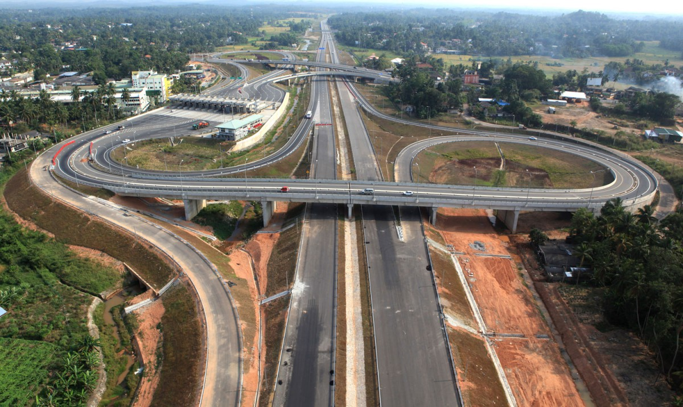
Electric vehicles (EVs) are becoming an increasingly visible part of Sri Lanka’s transport landscape. As more fully electric models enter the market, drivers are gaining access to newer designs, improved technology and a wider range of vehicle options. This shift offers potential benefits, including reduced reliance on imported petroleum and lower running costs for some owners. However, the growth of EV adoption also raises an important question: is Sri Lanka’s infrastructure ready to support the transition?
Reported figures for 2025 indicate that fully electric vehicles accounted for approximately 10% of passenger cars and SUVs imported that year. This figure describes the share of imports, not the proportion of all passenger vehicles already on Sri Lankan roads. Although it points to growing interest in electric mobility, sustained adoption will depend on more than the availability of new models. Charging access, affordability, battery care and clear regulation will all influence how easily EVs can become part of everyday travel.
From Early Hatchbacks to Modern Crossovers
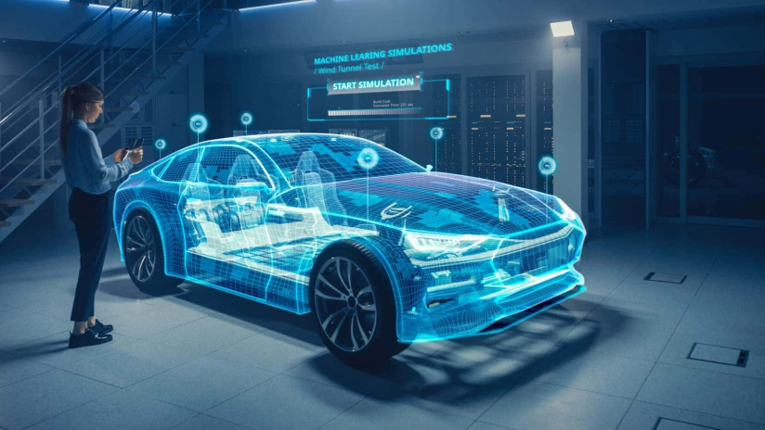
Sri Lanka’s earlier EV market included used electric hatchbacks, many of which were well suited to short urban journeys. Owners of these vehicles sometimes had to learn more about battery condition, charging habits and maintenance than they would with a conventional petrol or diesel car. Diagnostic tools, including compatible OBD-II scanners and smartphone applications, can help monitor certain vehicle data, although the information available depends on the model and its software.
Today, the market also includes newer electric crossovers and other body styles from a range of manufacturers. Some models offer battery capacities above 60 kilowatt-hours and claimed driving ranges exceeding 400 kilometers on a full charge. These specifications vary by vehicle, however, and real-world range depends on factors such as speed, road conditions, driving style, air-conditioning use and temperature. Newer models may also offer more advanced driver-assistance features and charging capabilities, making EV ownership more convenient for some users.
Battery Management in a Tropical Climate
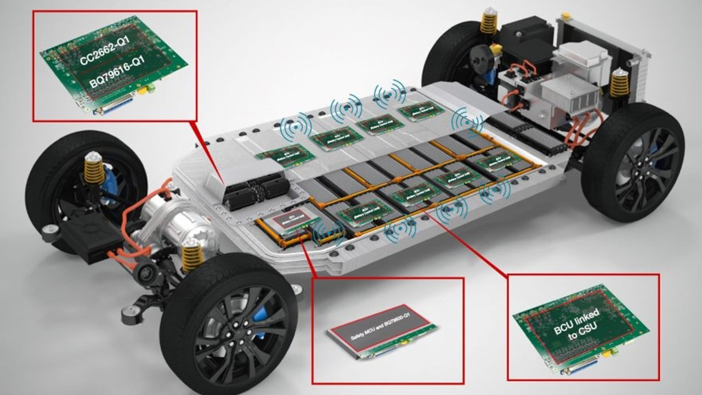
Battery temperature is an important consideration for EV owners in Sri Lanka. High ambient temperatures can contribute to battery degradation over time, so an effective thermal-management system and sensible charging practices are important for long-term performance.
EVs do not all use the same cooling technology. Some models rely on air cooling, while others use liquid-based systems to regulate battery temperature. Liquid cooling can provide more precise temperature control under certain conditions, including demanding driving and fast charging, but it does not eliminate the effects of heat. Battery life and performance also depend on the vehicle’s design, usage, charging habits and maintenance.
Owners should follow the manufacturer’s guidance on charging, parking and battery care. Where possible, avoiding prolonged exposure to extreme heat and using charging equipment recommended for the vehicle can help support safe and reliable operation.
Navigating the Financial Landscape
The purchase price remains a major barrier for many potential EV buyers. Import duties and other applicable taxes can significantly affect the final price of a vehicle, and the rates and rules may change over time. Buyers should check the current requirements rather than relying on older estimates.
Some financial institutions offer vehicle-leasing products or promotions aimed at greener transport. Their interest rates, repayment periods and eligibility requirements differ, so prospective buyers should compare the full cost of financing instead of focusing on a single advertised rate.
EVs can have lower energy and routine maintenance costs than comparable petrol or diesel vehicles, but the overall savings are not identical for every owner. The result depends on purchase price, annual distance travelled, electricity tariffs, charging access, insurance, financing and resale value. Comparing total ownership costs is therefore more useful than looking at the purchase price alone.
The Charging Infrastructure Bottleneck
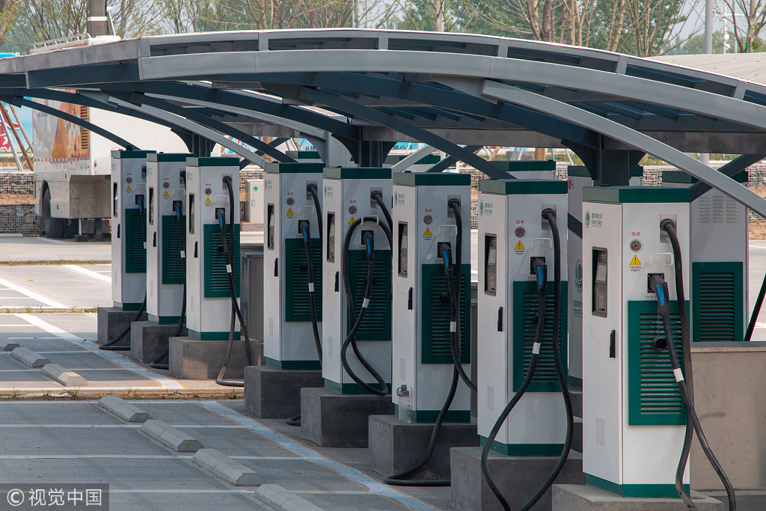
A reliable charging network is essential if EV use is to expand beyond short journeys and major urban areas. Sri Lanka’s public charging facilities are not evenly distributed, and access can vary considerably by location. The number of stations and connectors can also change as new facilities open, so any exact count should be accompanied by a source and date.
Charging infrastructure is not only about the total number of points. Drivers also need to know whether chargers are operational, which connector types they support, how much power they provide and whether payment is straightforward. DC fast chargers can reduce charging time for compatible vehicles, but the actual charging speed depends on the charger, the car’s maximum charging rate, battery temperature and state of charge.
When chargers are scarce or widely spaced, drivers may experience range anxiety, the concern that the battery will run low before a suitable charging point is reached. This can make some long-distance trips harder to plan, especially on routes with limited charging options. Expanding coverage along major highways and popular travel routes, while maintaining existing chargers, would help make EV journeys more practical.
Regulatory Steps Forward
Regulation plays an important role in building confidence in public EV charging. The Public Utilities Commission of Sri Lanka (PUCSL) provides a regulatory framework for EV charging, including applicable requirements for charging-point operators and matters relating to tariffs, technical standards and safety.
Clear and consistently applied requirements can help protect consumers and encourage reliable service. Interoperability is also important: drivers benefit when charging points clearly communicate connector compatibility, charging speed, pricing and payment options. Any claim about a specific license, certificate, tariff or technical requirement should be checked against the current PUCSL guidance, as regulations and procedures may be updated.
The Bottom Line
Sri Lanka is at an important stage in its transition towards electric mobility. Newer vehicle options and advances in battery and charging technology are creating opportunities for wider EV adoption. For some drivers, electric vehicles can also reduce day-to-day energy and maintenance expenses.
However, affordability, charging access and confidence in the supporting infrastructure remain important challenges. Effective battery thermal management can help EVs operate in Sri Lanka’s tropical climate, but it does not remove the need for sensible charging practices and proper care.
For EV adoption to grow beyond Colombo and other major urban centers, Sri Lanka will need a charging network that is reliable, accessible and well distributed, particularly along major highways and popular tourist routes. The electric transition will depend not only on the vehicles available, but also on the infrastructure, regulation and financial conditions that make them practical for everyday use.