More Than a Degree: Three Skills That Shape Your Future.
University is a place where students can gain knowledge, learn new things, develop their career paths, and participate in various activities organized by student societies. Through these experiences, students can gain practical knowledge, engage in social activities, develop their personalities, and contribute their skills to society. In addition to academics, participating in sports and extracurricular activities can help students develop valuable skills beyond the classroom.

The main purpose of a university journey is to achieve academic success. However, in today's highly competitive world, a degree alone is not enough. Every year, many students graduate with similar academic qualifications, making it increasingly important to develop skills that can help them stand out. Students often focus heavily on examinations and grades, but employers also look for practical and interpersonal skills. Unfortunately, some students realize the importance of these skills only after graduation.
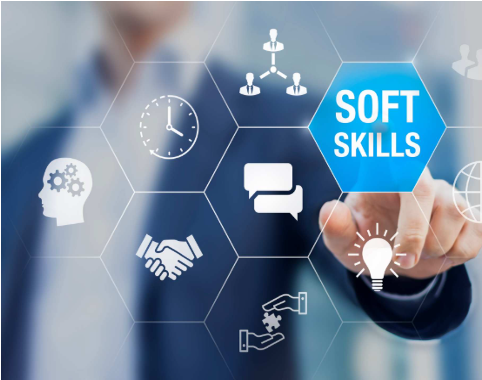
In this blog, we will explore three essential skills every university student should develop before graduation: communication, time management and digital skills.
Communication skills are the ability to share, receive, and understand information effectively. They include verbal, written, non-verbal, visual, and digital communication. Important skills such as active listening, clarity, assertiveness, empathy, and adaptability help people express ideas confidently and understand others. For university students, strong communication skills are essential for presentations, discussions, teamwork, interviews, academic writing, and future workplace interactions. Developing these skills can improve confidence, relationships, and career opportunities.


These communications skills are essential for every university students should develop. At university, students take part in various academic activities such as presentations, viva sessions, group discussions which require effective communication. Moreover, extra-curricular activities provide opportunities to develop team work, public speaking and interpersonal skills. Students may also have to participate in interviews, meetings with academic staff and other activities where clear communication is important.
Communication is not limited to speaking. Written communication is equally important in university life. Students need to write professional emails, prepare project proposals, create documentation and communicate their ideas clearly in written form. Developing these skills at university can prepare students for the expectations of the workplace. These communication skills are also valuable in future career development. After the graduation students may work with colleagues, clients, managers, or international teams who expect them to communicate professionally. Employers are not only looking for candidates with academic qualifications but also for individuals who can express ideas clearly, work effectively with others, and contribute positively to an organization.
Therefore university is an ideal place to develop and polish communication skills. By participating in public speaking, social activities, group discussions, and leadership opportunities, students can gradually build confidence, reduce their fear of communicating with others, and strengthen their overall soft skills.


Time management is the process of consciously planning and controlling the time spent on specific tasks to increase efficiency. Time management is another essential skill that every university student should develop. University students often have to balance academic work, assignments, examinations, extra-curricular activities and personal responsibilities. Furthermore, Effective time management helps university students achieve a healthy balance between their academic and social lives. It increases productivity by reducing wasted time and allows students to prepare better for exams and projects. Good time management also reduces the psychological stress caused by a heavy academic workload. In addition, it provides students with enough time to enjoy hobbies and develop personal skills. Therefore, mastering time management makes a university student’s life more organized, productive, and successful.


When students don’t manage their time effectively they face many troubles. Poor time management does more than make a day feel disorganized. Over time, it can affect your productivity, work quality, deadlines, stress, sleep, relationships, and ability to make room for what matters.
Effects of Poor Time Management
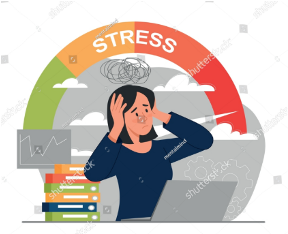
• Increased Stress – Students may feel overwhelmed and stressed when they have too many tasks to complete within a limited time. • Missed Deadlines – Poor planning can lead to missing important assignment, project, or examination deadlines. • Reduced Productivity – Without proper time management, students may struggle to complete tasks efficiently. • Poor Academic Performance – Last-minute studying and incomplete work can negatively affect academic results. • Strained Relationships – Poor time management can reduce the time available for friends, family, and teamwork. • Limited Career Opportunities – Poor time management can affect professional performance and career growth.

Students can try following to manage their time effectively.
• Clearly define your daily and weekly goals. • Use a schedule to organize tasks and activities. • Prioritize your tasks and start with the most important ones. • Avoid distractions such as social media while working. • Allocate specific times for rest and leisure. • Review your performance weekly to identify areas for improvement.

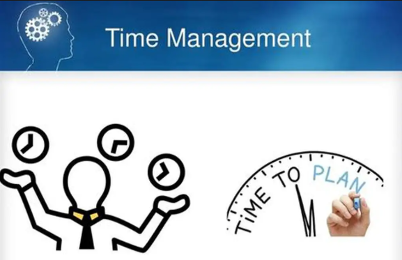
Time management is also important to future careers because it helps individuals meet deadlines, prioritize tasks, and complete work efficiently. It improves productivity, reduce workplace stress and helps employees balance multiple responsibilities. Therefore, developing strong time management skills as a university student can prepare individuals for a successful and productive career.
Digital and technology skills are essential for university students because technology is closely connected with education, communication and employment. Basic computer and digital literacy help students use computers, software and online platforms confidently. Skills in Microsoft Word, PowerPoint, and Excel are particularly useful for preparing assignments. Creating presentations, organizing information and analyzing data. These skills save time and allow students to complete academic tasks more effectively.
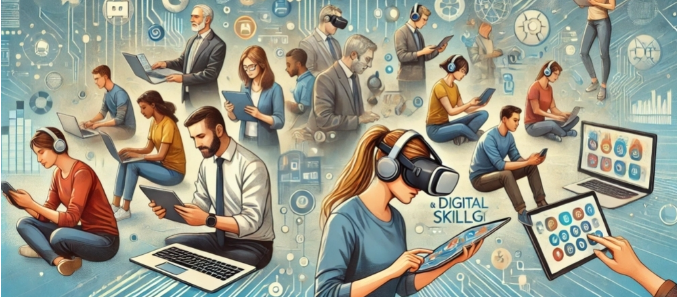
Students should also develop skills in Google Workspace and other online collaboration tools such as Google Docs, Drive and meet. These platforms make it easier to work on group assignments, share files, and communicate with team members. Online research skills are equally important because students need to find accurate and reliable information from different sources. They should learn how to evaluate websites, identify trustworthy sources, and avoid misleading or false information.
In addition, students should understand how to use artificial intelligence and modern
technologies responsibly. AI can support learning, research, creativity, and productivity, but it
should be used ethically without depending on it completely. Digital communication skills are also important for professional emails, online meetings, and workplace collaboration. Therefore, developing strong digital and technology skills prepares students to adapt to modern workplaces, work efficiently, communicate effectively, and remain competitive in their future careers.

In conclusion, developing communication skills, time management and digital literacy is essential for university students to achieve academic and career success. Communication skills help students express ideas clearly and work effectively with others, while time management enables them to organize tasks and meet deadlines. Digital literacy helps students use modern technology effectively and responsibly.
Most importantly, students should question information, consider different perspectives, and practice solving problems logically. By consistently these skills through regular practice, active participation, proper planning, and responsible use of technology can make students more confident, adaptable, and productive. These skills also prepare them to face future workplace challenges successfully.