Beyond the Chequered Flag: The Race You Don't See on TV
"It's lights out and away we go!"
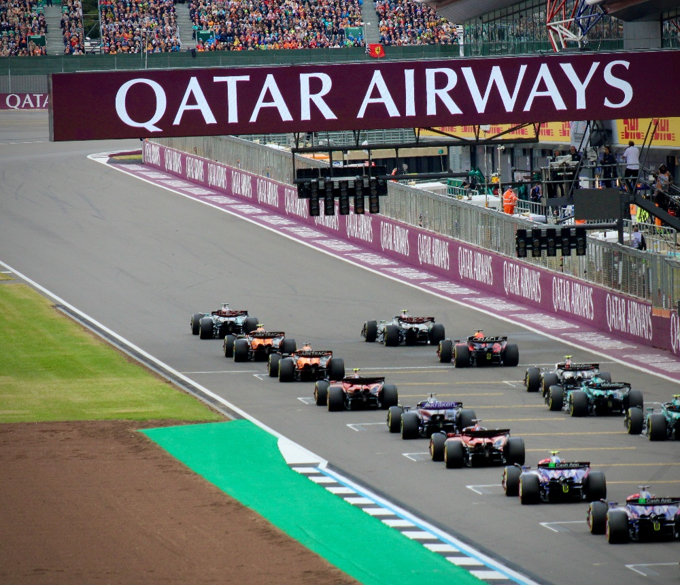
When this phrase blasts through the speakers, millions of Formula 1 fans huddle together with a racing heartbeat, waiting to see whether their favorite team can take the lead. Eleven teams, twenty-two cars, one goal: the championship.
Formula 1 is known as the pinnacle of motorsport. But it is not just a bunch of high-speed cars driving in circles. Behind every race are precise decisions, teamwork, luck and consistency. And even before the chequered flag is waved, a different race has already been won, in the factory, in the strategy room, in all the small decisions nobody sees on TV.
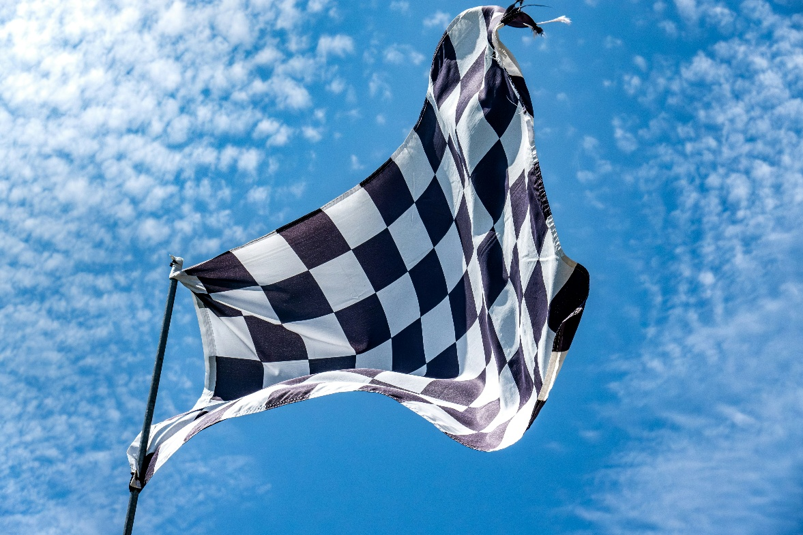
In a world where a tenth of a second decides win or lose, what can we learn from F1 and apply to our own lives?
Every tenth counts
Formula 1 has given us plenty of examples of how small differences can decide a championship. One famous example is the 1984 title fight between Niki Lauda and Alain Prost. It is still the closest championship finish in F1 history, with only half a point to spare.
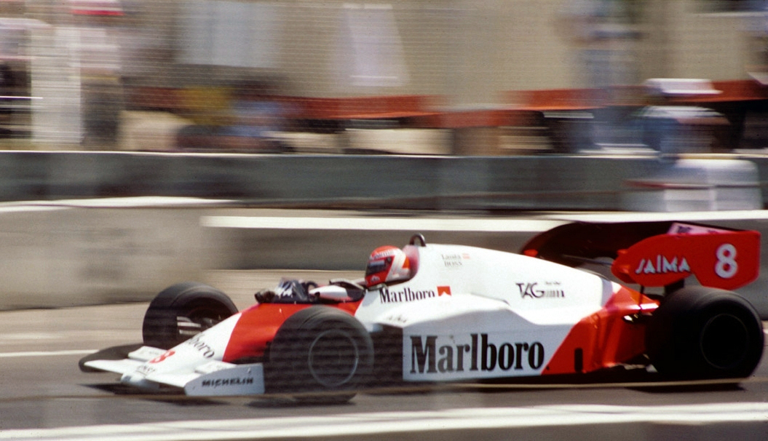
In the modern era, the 2025 fight between Lando Norris and Max Verstappen proves it again. Norris won by just two points. Tiny improvements add up, race after race, and that is what decides the season.
It works the same for us university students.
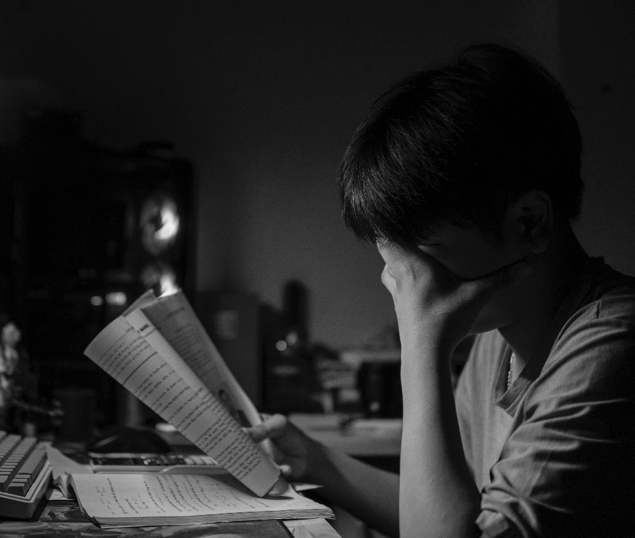
Just 10 minutes of revision before and after every lecture beats a cruel all-nighter. It doesn't look like much, but it adds up.
Know your limits
Tyre management is a crucial skill for an F1 driver. There is a famous "tyre whisperer", Sergio Pérez, also known as Checo. During his time at Sauber and Force India, he was praised many times for nursing worn-out tyres way past their expected life without losing pace. He often pulled off one-stop strategies while everyone else had to pit twice.
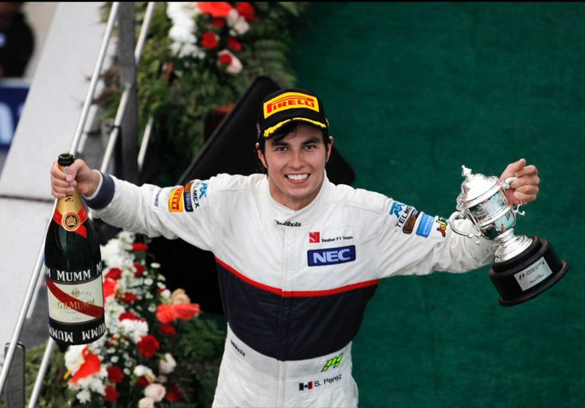
What we can take from this is pacing. Go flat out too early and you have nothing left at the end. Balance your academic life and your social life so you can prevent burnout and find time to rest even when it feels like there is too much to do.
The crew behind the car
We've all heard the saying, "teamwork makes the dream work". In F1, a pit stop can take just around two seconds and a crew of around 20 people working together in sync.
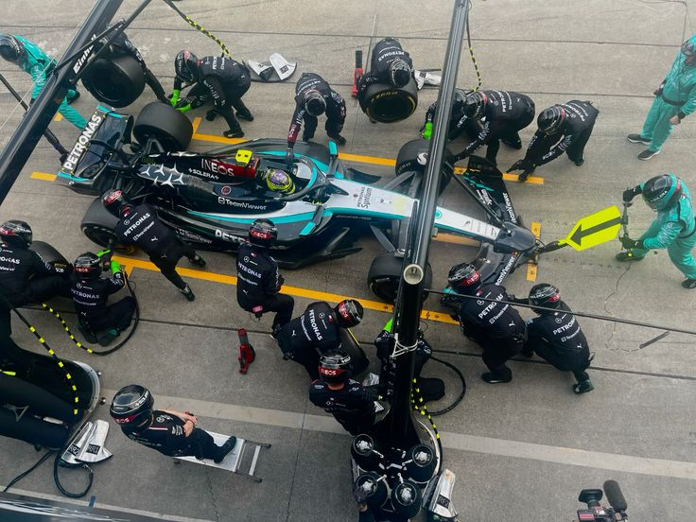
Everyone has one job, the wheel guns, the jack, the final release. Nobody can do it alone.
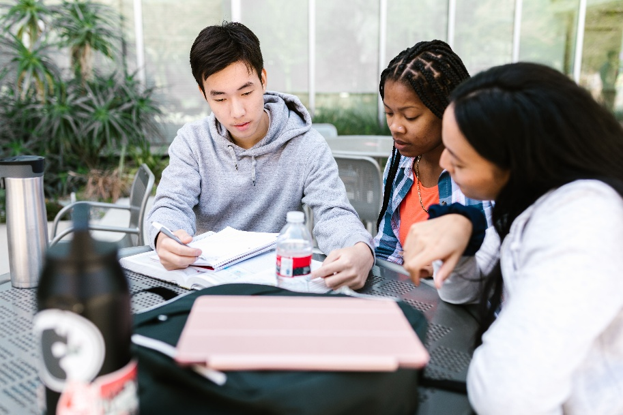
Our group projects and exam study groups should work the same way. Everyone has a different set of skills, in academics and beyond, just like the mechanics in the pit stop.
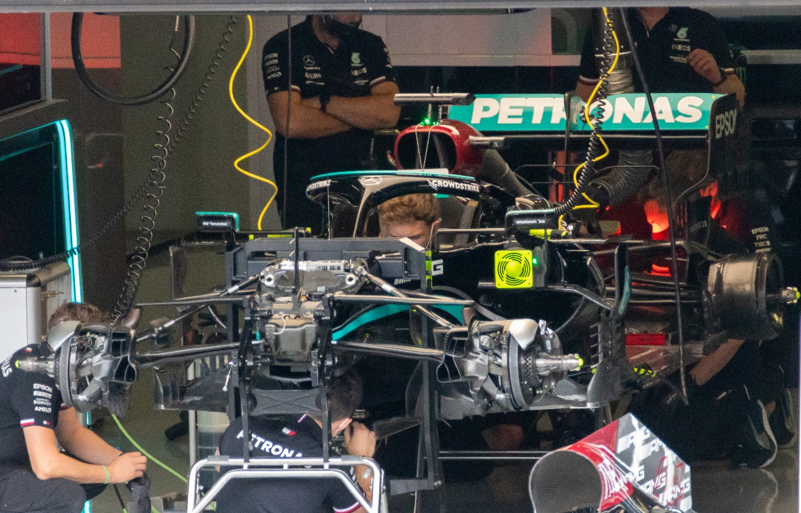
If each of us does our part as well as we can, the whole team succeeds.
Two seconds, twenty people
The main thing that runs F1 is data and feedback.
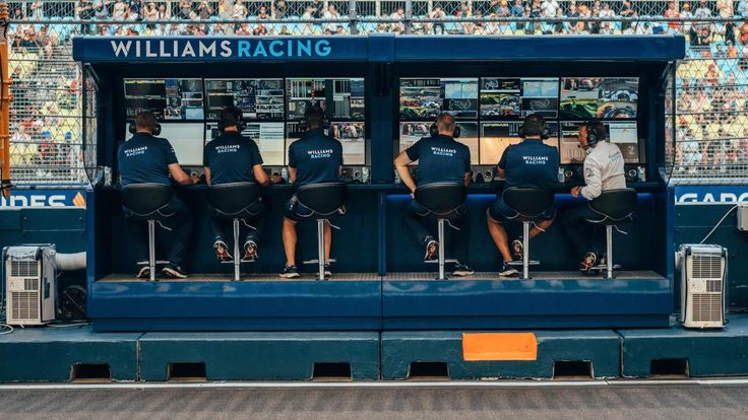
Drivers and engineers go through every lap to see how they can improve in the harder corners, the apexes and the main straights.
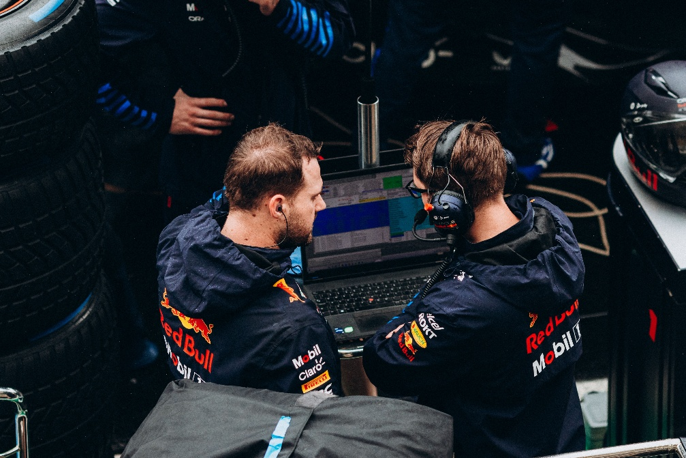
We can do the same with our own results, whether it's an exam, a project or anything else. Instead of just moving on after a disappointing result, we can look at what went wrong and ask our lecturers or peers for feedback.
Always have a Plan B
Formula 1 races can't be predicted. Anything can happen in about 90 minutes. When a safety car or rain comes, the best teams re-plan fast.
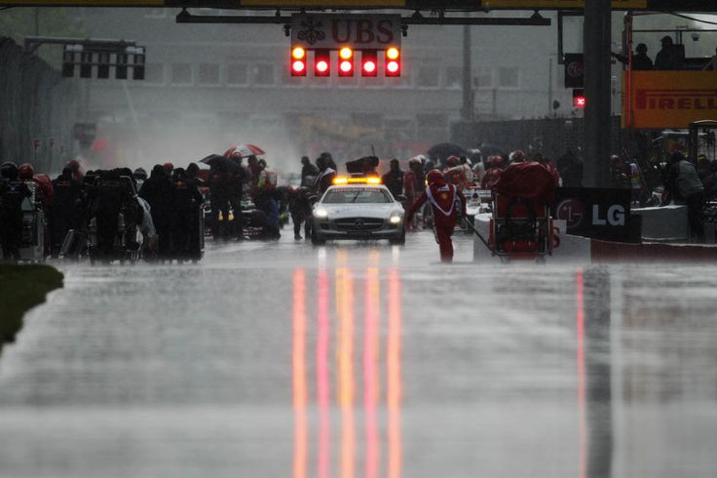
We need that same adaptability at university. Many freshers have a hard time adjusting, because uni has much more going on than just studying, unlike A/Ls. You need to balance everything, and some days will always be busier than others. It might be hard at the beginning, but believe me, you'll figure it out.
Bouncing back
Not every driver has a smooth winning pace. Everyone has had their fair share of terrible races. What matters is how they reset before the next one.
Take Sebastian Vettel at the 2012 Brazilian GP. On the very first lap, he was spun around in a collision with Bruno Senna and dropped to dead last with a damaged car.
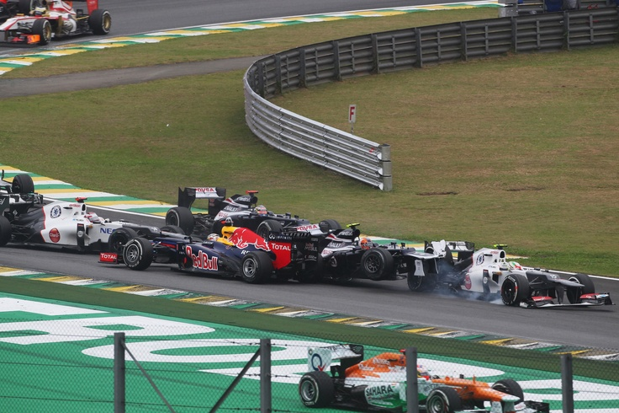
It looked like the end of his race. But he fought his way back through the field and finished 6th. That was enough to win the championship by 3 points over Fernando Alonso.
A bad day is going to happen. What counts is what you do after it.
The race before the race
Which brings us back to where we started. What you see on race day is the result of everything that happened before the lights went out. Only if we prepare well can we perform well, without second-guessing ourselves.
So whatever race you're facing right now, whether it's an exam, a new project or a fresh start at uni, take a breath and get ready. Because for all of us, it's lights out and away we go.