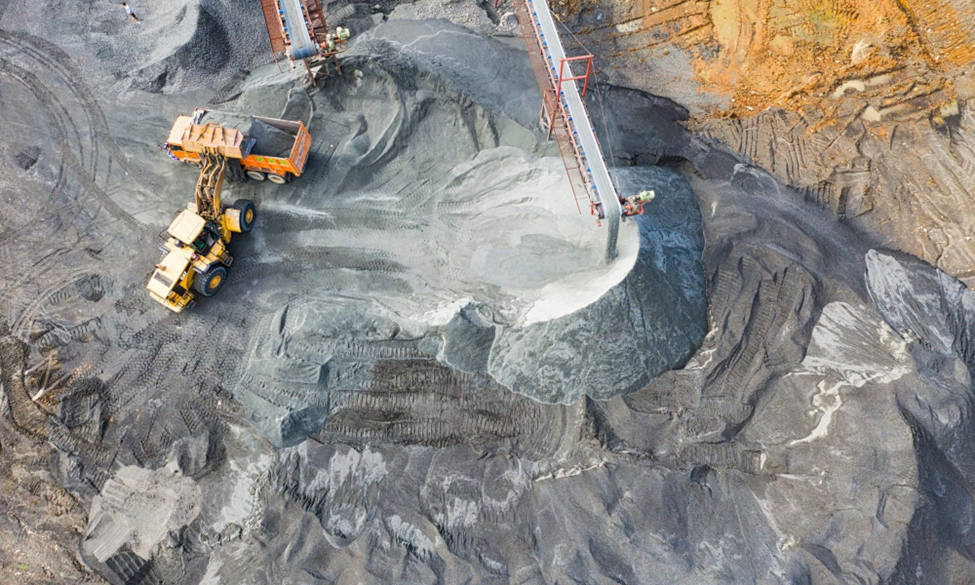
Critical Minerals and Energy Transition: How Mining Engineering is being Redefined.
The world is moving away from fossil fuels and toward renewable energy, electric transportation, modern electricity grids, and other low-carbon technologies. Yet this transition depends on something that is often overlooked: minerals.
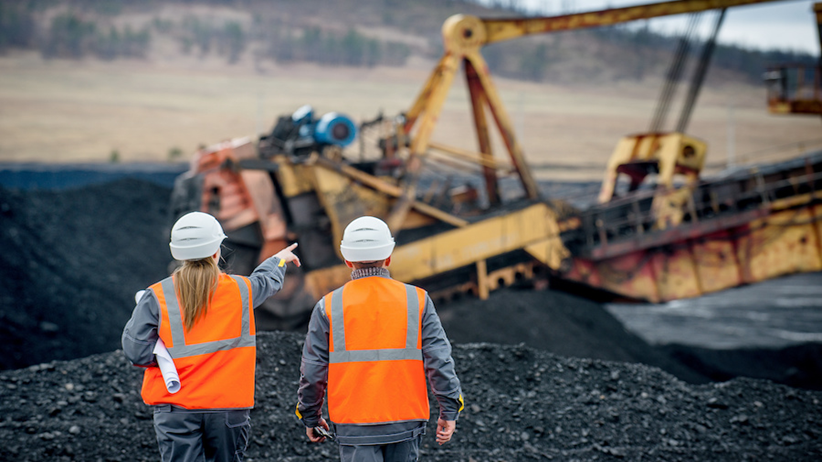
There's a real paradox at the heart of the energy transition: mineral extraction is what makes decarbonization possible, yet mining itself remains a significant source of environmental damage and greenhouse gas emissions.
The global effort to mitigate climate change has accelerated the transition from fossil fuel-based energy systems toward low carbon technologies, including renewable power generation, electricity grids, and electric transportation. Unlike conventional fossil fuel systems, low carbon infrastructure is highly materials intensive and requires substantial quantities of critical minerals.
Hence, the energy transition creates a paradox, as the minerals needed for decarbonization must be mined; and yet mining itself can produce significant environmental impacts and greenhouse gas emissions.
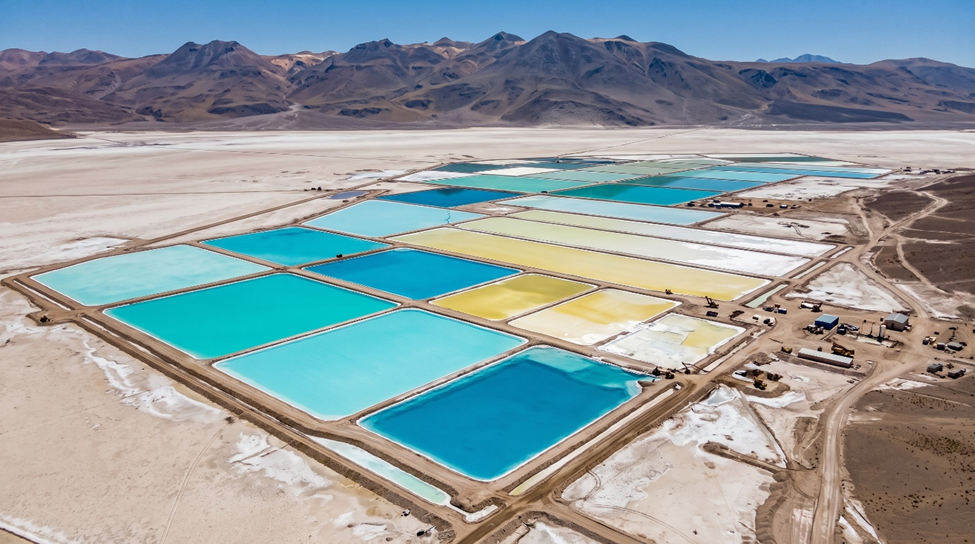
This impact depends on both geology and the extraction method. As an example, hard-rock lithium extraction can require energy-intensive processes such as drilling, crushing, and thermal treatment, while brine extraction can place pressure on land and water resources. These challenges highlight the need for cleaner alternatives.
Technologies such as solar photovoltaic systems, wind turbines and battery storage depend on minerals including copper, lithium, nickel, cobalt, graphite. Consequently, the resource challenge is increasingly shifting from securing fuel supplies to securing mineral resources. Meeting this growing demand cannot rely solely on conventional extraction practices characterized by high energy consumption, extensive waste generation, and environmental impacts.
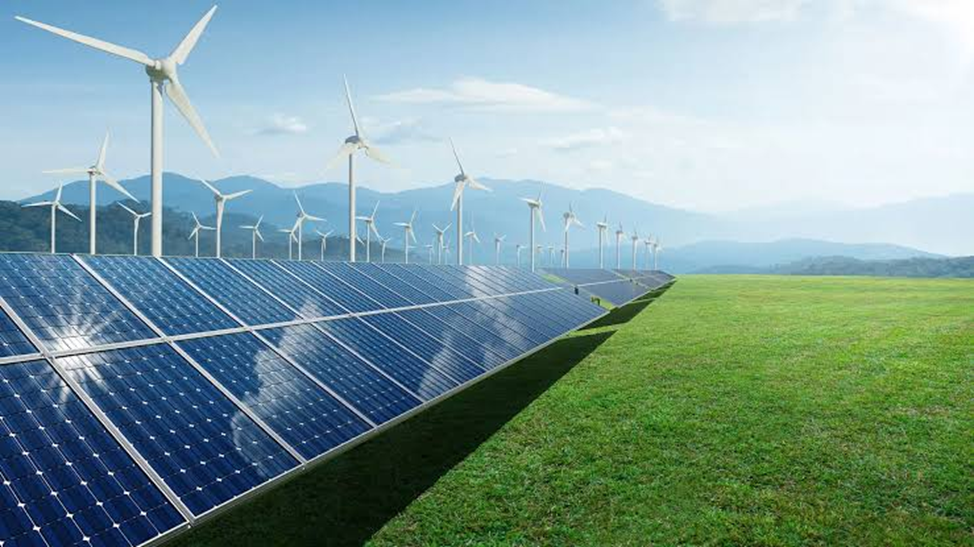
This is where technological innovation becomes essential.
Mining engineering must evolve through technological innovation, low-carbon extraction, circular resource recovery, and stronger socio environmental governance.
One of the major challenges facing mining engineering is the decline in ore grades and the depletion of easily accessible, high-quality deposits. Copper illustrates this challenge, as newly identified porphyry deposits have average grades of approximately less, requiring large quantities of material to be mined and processed to produce relatively small quantities of metal. In addition, long development periods and decline in ore quality are significant risks to future mineral supply.
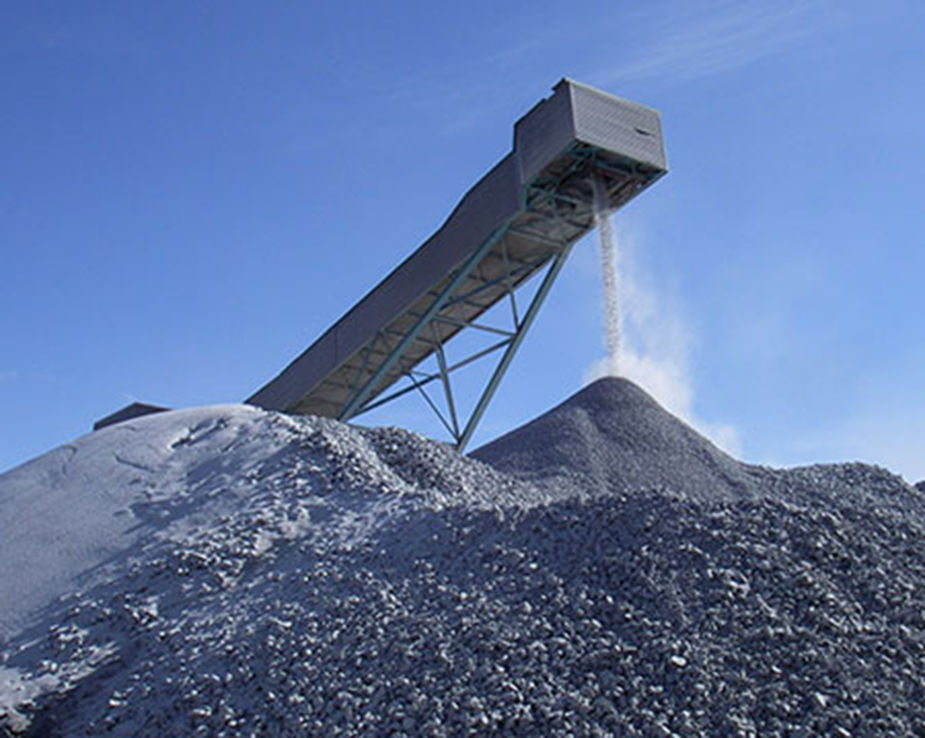
Some critical minerals, including cobalt, gallium, and indium, are also predominantly obtained as by-products of copper, nickel, and zinc production. This limits the ability of supply to respond rapidly to increasing demand.
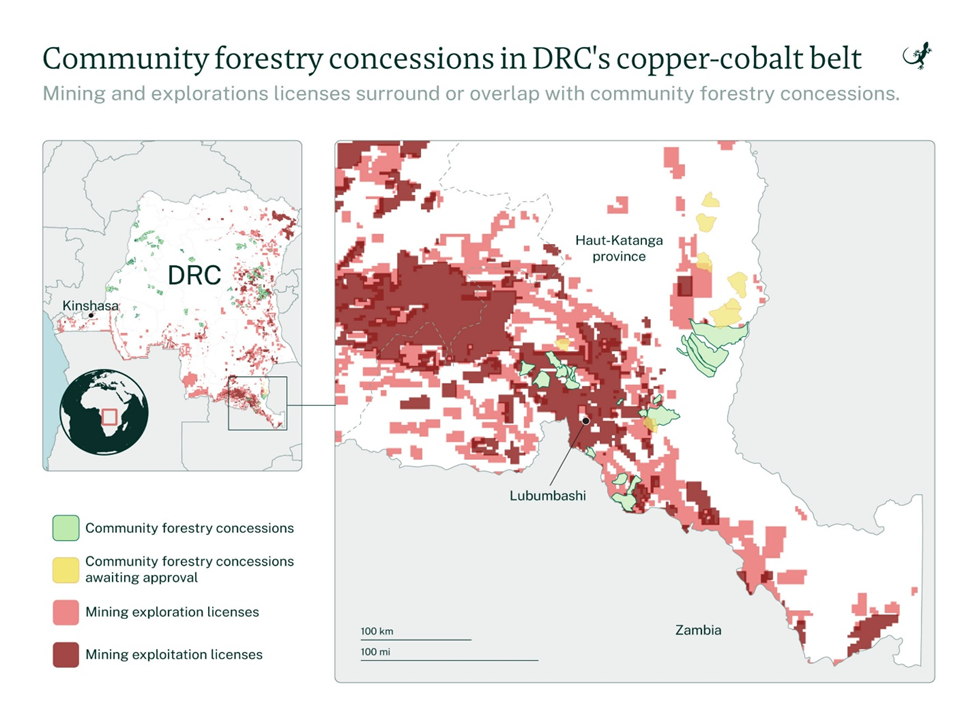
Technological innovation is therefore becoming essential for economically processing lower grade and more complex resources. The Mining Equipment, Technology and Services sector plays an essential role in developing more efficient mining and mineral-processing technologies.
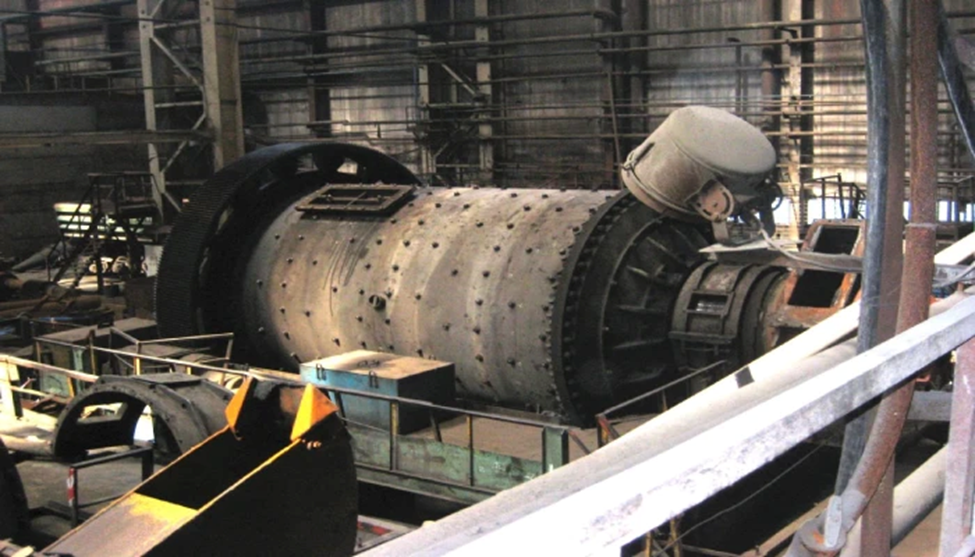
Comminution is particularly important because crushing and grinding can consume a substantial proportion of mine-site energy. Technologies such as bulk ore sorting, high pressure grinding rolls, and sensor-based sorting can remove barren material before intensive processing, thereby reducing energy consumption and improving resource efficiency.
Furthermore, artificial intelligence, advanced geological modelling, and remote sensing technologies are increasingly being applied to mineral exploration. Instead of relying only on traditional exploration methods, mining engineers can now use AI, geological modelling, and remote sensing to identify promising mineral deposits more accurately.
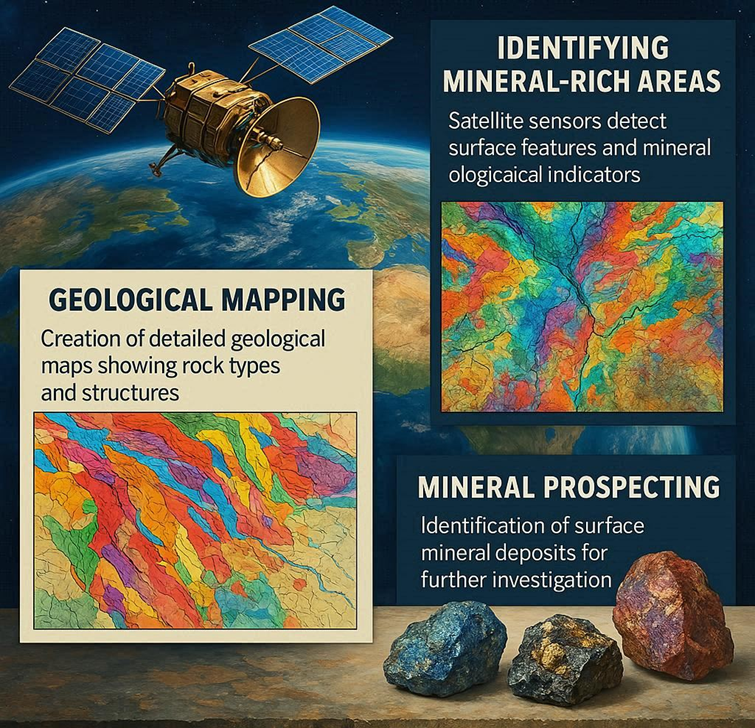
By narrowing down potential exploration areas before drilling, these technologies can save time, reduce costs, and avoid unnecessary disturbance to the environment. More importantly, they can help engineers evaluate complex or lower-grade resources that may previously have been considered uneconomical to develop. In this way, technology is not simply making exploration faster; it is changing what can be considered a viable mineral resource.
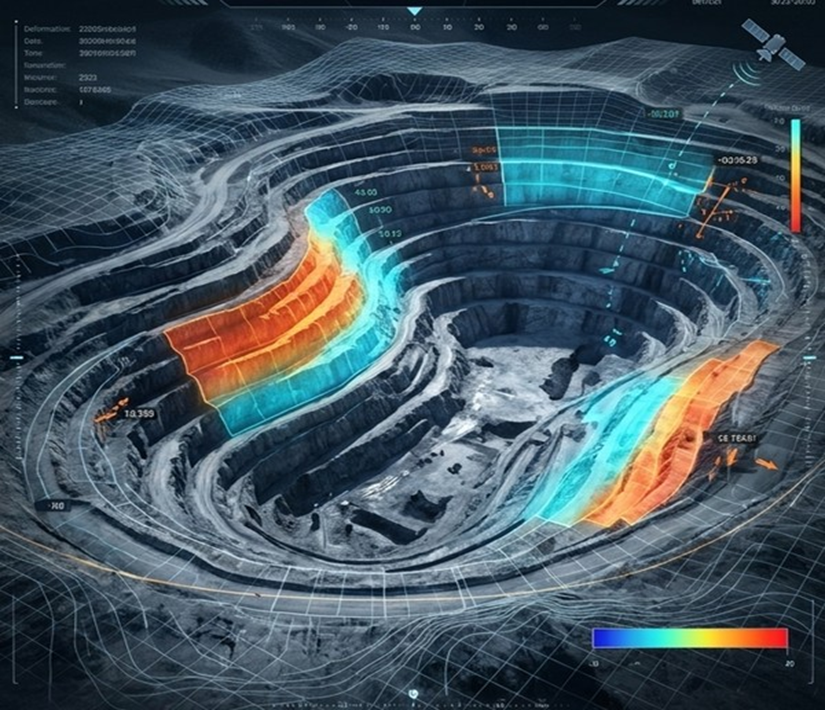
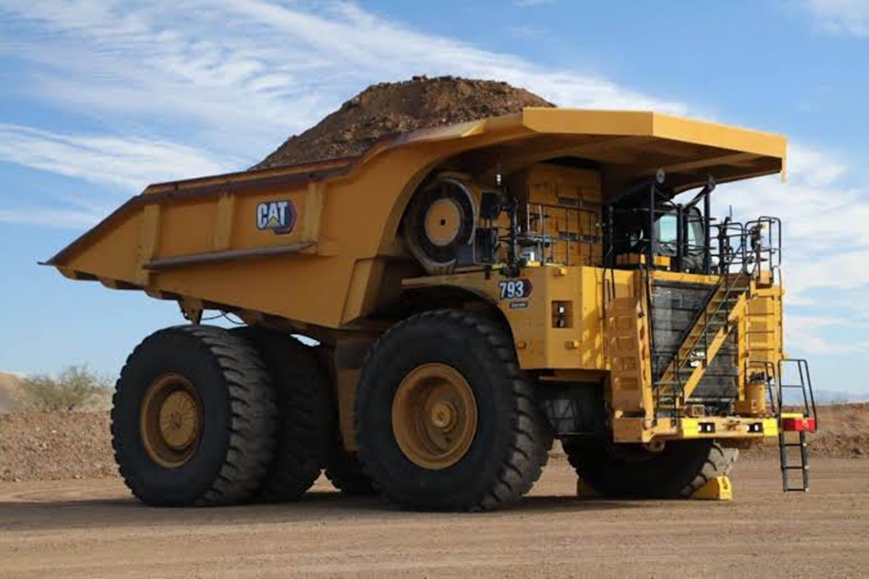
Technology is therefore becoming central to making lower-grade resources economically and environmentally viable. Direct Lithium Extraction (DLE), particularly ion-exchange technologies, could reduce land use, freshwater consumption, and emissions compared with some conventional methods. At the same time, battery-electric equipment, renewable energy, and in-situ recovery are creating new ways to reduce emissions from mining operations.
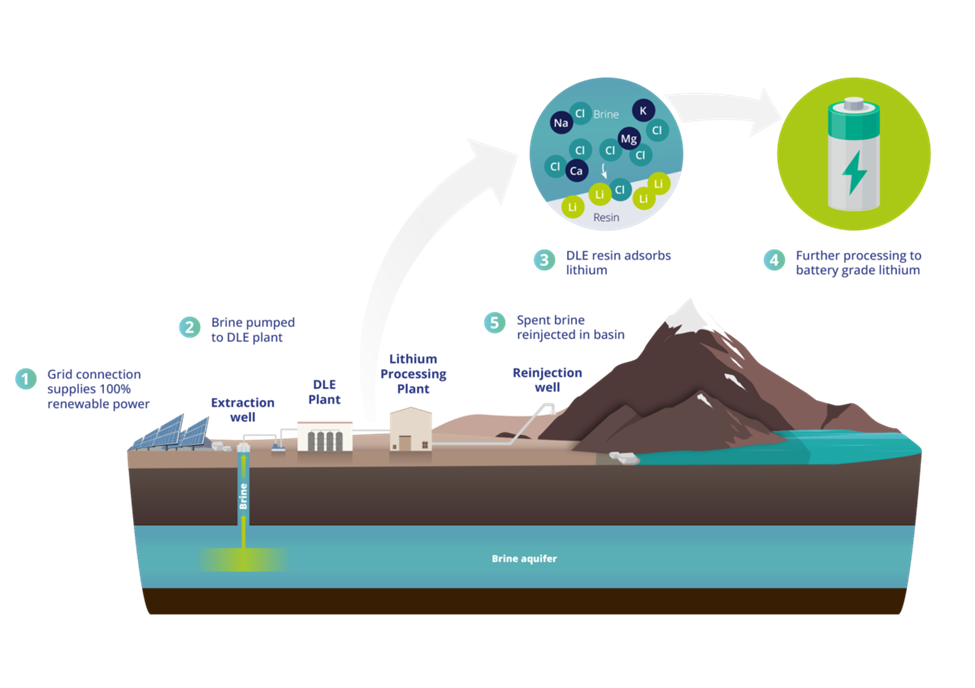
The role of mining engineers is therefore shifting from simply extracting more minerals to designing cleaner and more efficient extraction systems.
The solution may also be found in what mining has already left behind. Mine tailings and historical waste can contain valuable critical minerals, but they can also create environmental risks if poorly managed. Modern processing technologies can recover metals from these wastes and even from acid mine drainage. Reprocessing old tailings could provide additional sources of minerals such as rare earth elements, cobalt, nickel, and manganese while reducing the environmental risks associated with mining waste. This approach represents a shift toward circular mining, where waste is no longer viewed only as a problem but also as a potential resource.
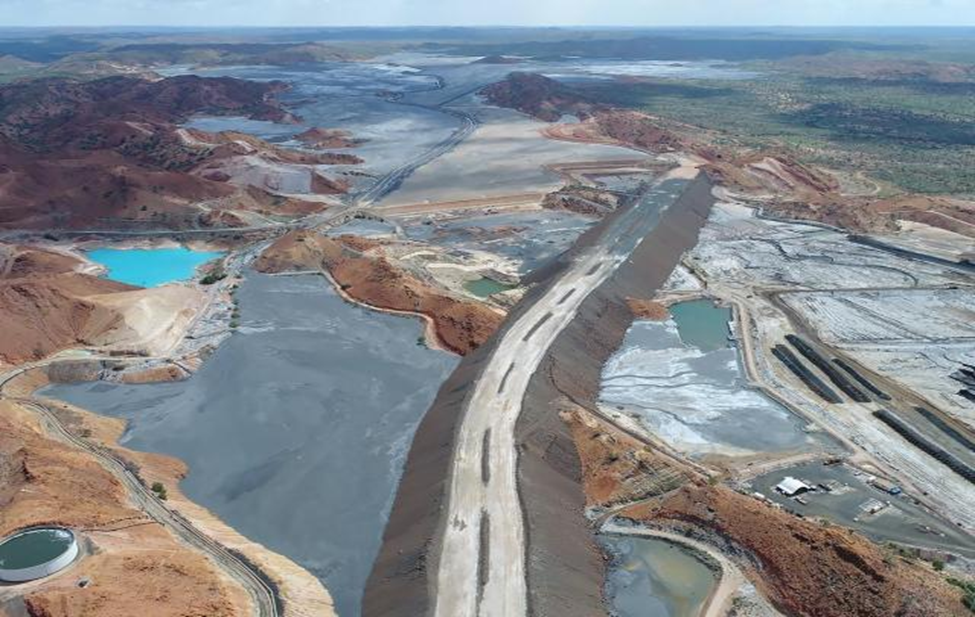
Critical minerals are not an engineering challenge alone. In today's power politics, they are becoming increasingly geopolitical.
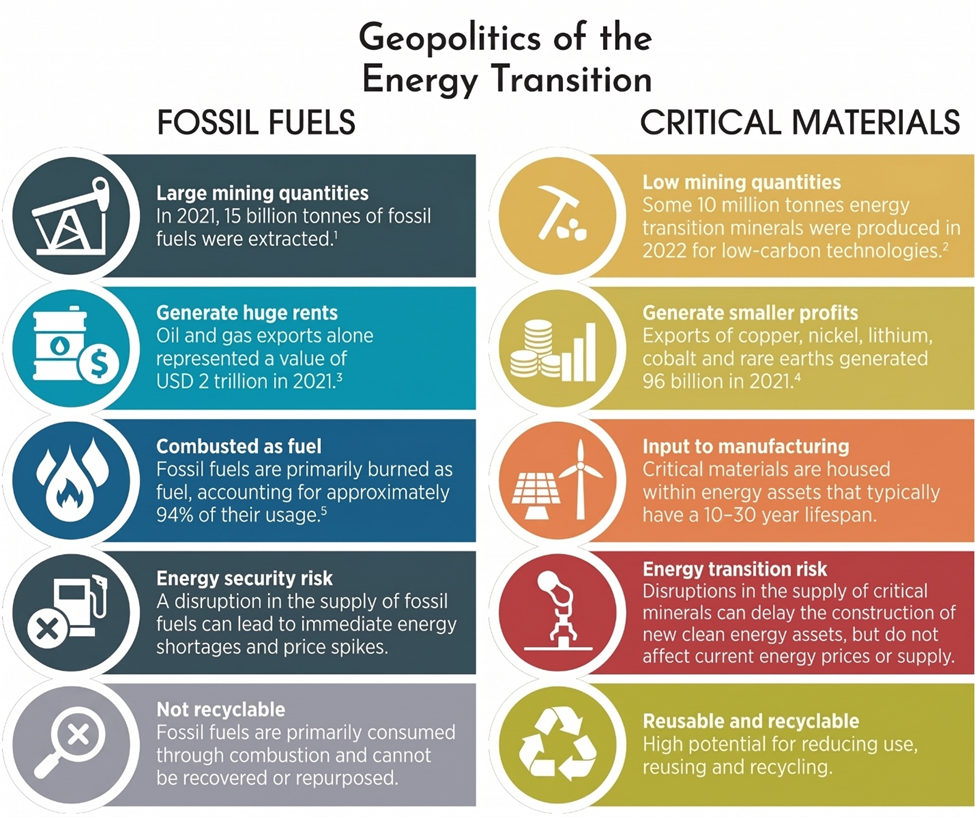
Mining, refining, and processing are concentrated in relatively few countries. Some states have developed particularly strong positions in the processing of critical minerals and rare earth elements. This concentration creates vulnerabilities for countries seeking to expand renewable energy and electrification.
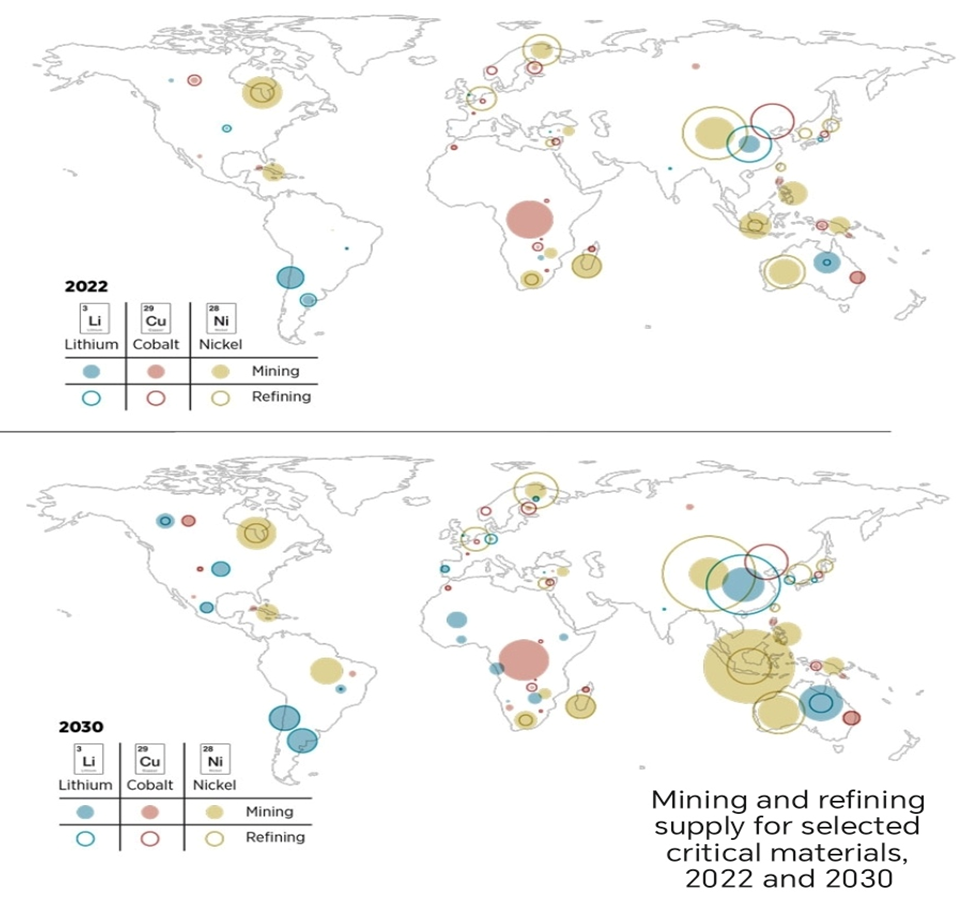
A disruption in one part of the supply chain can affect mineral availability, prices, manufacturing, and ultimately the pace of the energy transition.
As a result, mineral-producing countries are increasingly seeking to move beyond exporting raw materials. Developing domestic processing, refining, manufacturing, infrastructure, and technological capacity can allow countries to capture more value from their mineral resources.
For mining engineers, this means that the scope of a mining project is becoming broader. Engineers may increasingly need to consider processing, refining, waste utilization, infrastructure, supply-chain resilience, and the wider strategic importance of the minerals being produced.
There is another dimension that cannot be separated from the future of critical-mineral mining: people.
Mining projects can generate conflict over land, water, environmental impacts, employment, and the distribution of economic benefits. A technically feasible project can still face significant challenges if local communities do not trust the project or believe that its costs and benefits are unfairly distributed.
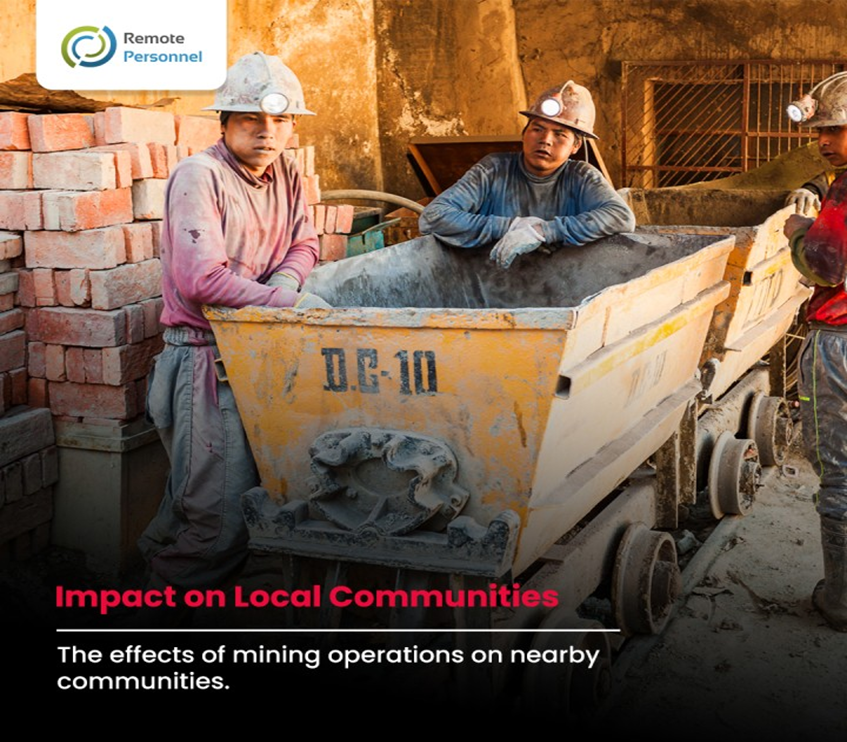
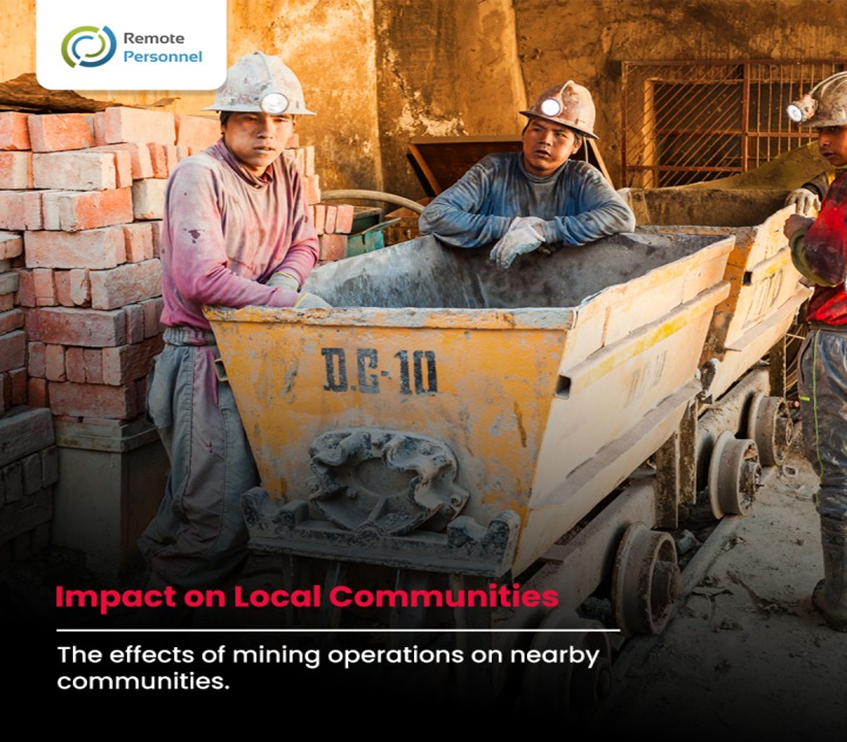
Social acceptance therefore needs to be considered alongside technical and economic feasibility.
Transparent environmental reporting, responsible sourcing, digital traceability, meaningful community participation, and stronger environmental governance can help build trust. These considerations should not be added at the end of a project. They need to be incorporated into engineering decisions from the beginning.
The future of mining must therefore balance mineral security, economic development, environmental protection, and community needs.
The energy transition is creating a new era for mining engineering, where the demand for critical minerals is growing alongside the need for more responsible resource development.
The challenge is no longer simply to find and extract more minerals, but to overcome declining ore grades, reduce energy and water consumption, minimise environmental impacts, and build more resilient supply chains. Technologies such as Artificial intelligence can transform exploration. Advanced mineral processing can make lower-grade ores more viable. Cleaner extraction technologies can reduce environmental impacts. Tailings reprocessing can become a secondary source of critical minerals, opening new possibilities for smarter and cleaner mining. Renewable energy and electrification can reduce operational emissions. A stronger governance can improve the resilience and legitimacy of mineral supply chains.
At the same time, stronger environmental practices, responsible sourcing, and meaningful engagement with communities are becoming essential for the future of the industry.
Henceforth, mining engineers will be required to take on a new role for mining. Mining Engineers must combine technical knowledge with innovation, sustainability, and an understanding of global mineral supply chains.
The critical minerals revolution is ultimately redefining mining engineering not as an industry focused only on extracting resources, but as a key part of building a cleaner, more resilient, and sustainable future.
The energy transition is fundamentally changing what society expects from mining.
Mining engineering can no longer be understood only as the science and technology of extracting minerals from the ground. It increasingly sits at the intersection of technology, energy, environment, economics, geopolitics, and society.
The critical-minerals era is therefore not simply creating a greater demand for mining. It is redefining what mining engineering itself means.
The mining engineer of the energy transition will not simply ask, “How much can we extract”; but more importantly "How can we extract responsibly", "How can we minimize the environmental footprint", "How can we make supply chains more resilient", and "How can engineering contribute to a more sustainable and secure energy future".