Gen Z and Relationships
Love, relationships, and the idea of finding someone have been a part of human society for as long as we can remember. From the earliest civilizations to the modern world, humans have always sought connection, affection, and intimacy. While these desires remain deeply rooted in human nature, the ways we choose to fulfil them have changed with time. And perhaps, in a world that continues to redefine what it means to be in love, the question is no longer simply, who do we love? but also, how do we choose to love?

21st-century relationships are now more twisted and complicated than they have ever been in any century. Our parents married their first loves or childhood sweethearts and carried on to build lives together for the next four or five decades without an ounce of regret. They met in their prime with the aim of marriage, fought hard against their families and society, toiled together through the degrading economy, sacrificed and compromised so much for the sake of family and children, yet at the end, they emerged victorious after an endless love battle. When we listen to their stories, what they highlight is their perseverance, dedication, and courage, but what we hear and take to our hearts are their battles and hardships.
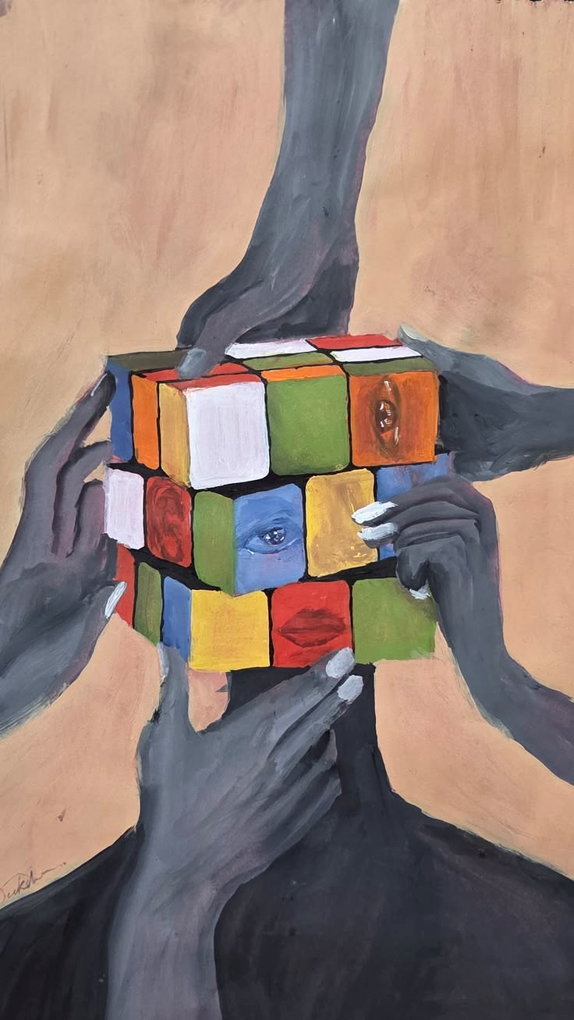
At the end of the day, what we, as the new generation, determine in our hearts is not to endure such battles and hardships. So, Gen Z people now have tons of definitions and terms to name the so-called relationships, which give us the freedom to escape from realistic issues our parents endlessly struggled with. We pledge ourselves to be free from challenges and obstacles and be detached from realistic issues. And in doing so, we may end up building a generation that knows how to walk away from difficulties but has forgotten how to stand through them.
More than a decade ago, relationships seemed to have only a few defined stages. If two people loved each other and wanted to be together, they became boyfriend and girlfriend. When they decided to take things further, they got engaged and became fiancés. Eventually, when they were certain they wanted to spend their lives together, they became husband and wife. If they settled down for life, it was marriage; if not, it was a divorce.

But now, in our generation, it's a whole bunch of keywords that allow you all the freedom in relationships. If you aren't sure about your feelings and the future, you could start a situationship, and in a situationship, everything is possible, but there is zero drama and no commitments. It's basically love without labels. But when you pursue a situationship, if you catch feelings after a while and if you both feel that you are genuinely compatible and fear losing each other, it can proceed to a relationship. But for those who need only intimacy without drama and zero emotional connections, you can have that too under the specific term "friends with benefits". It's an unspoken arrangement made between two individuals for a single reason. But for whoever questions these kinds of relationships, you can say it's just casual, with no strings attached.
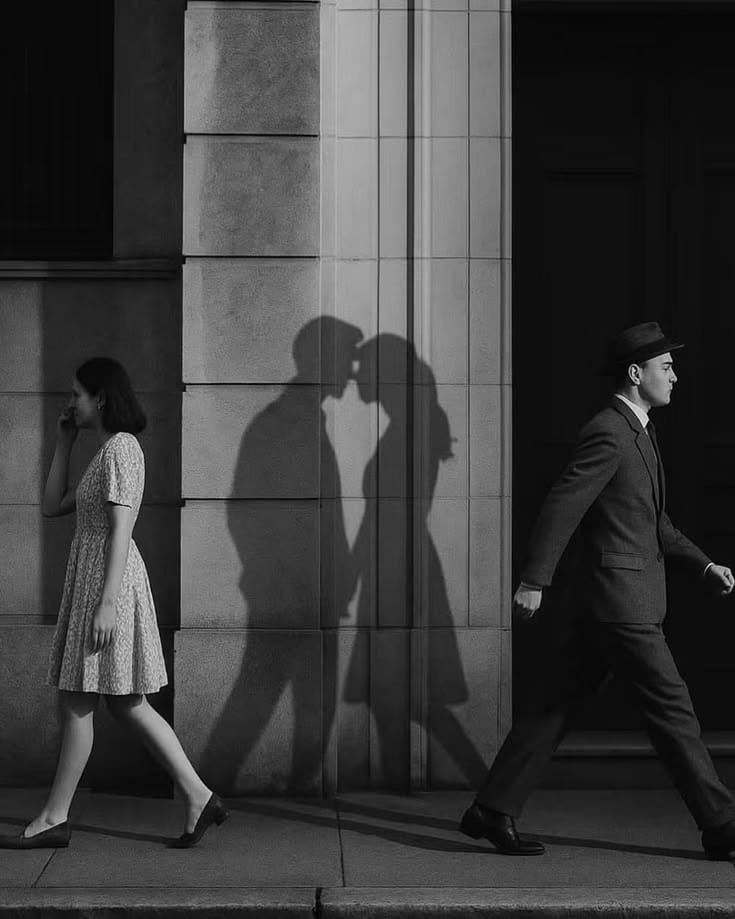
And there's one more specific title that has come to the surface just because we Gen Zs have a real knack for running away from duties and responsibilities. For a couple who's in love with each other but have no interest in seeking blessings or getting married under the laser radar of society, they can directly proceed to living together. This concept evades all family drama and religious imbalance, and there's no need for marriage papers to keep the couple together. Also, on the other hand, you can leave whenever you want without any divorce hassles or stay together for as long as you want.

But what I love the most about being Gen Z is that there's always a term for whatever feeling you get. As we are a generation that is so fond of giving labels to almost everything, now, for every fraction of emotion, there's an absolutely reasonable expression.
If you suddenly fall in love at the first moment, it's love at first sight, and if that happened only because of appearance, then it's infatuation. And if that love at first sight comes and sees you in your dreams, it means you are down bad for that person or being DELULU, and you go simping around that person with zero shame.
And suddenly, if this love interest does the tiniest little thing for you, then that's when you feel butterflies...
And after a few weeks of subtle flirting and sending mixed signals, there are two options: either you forget this love interest or you confess. If you don't have enough guts, you take a step back, and you can go crush hopping, which means you shift your attention to someone new.
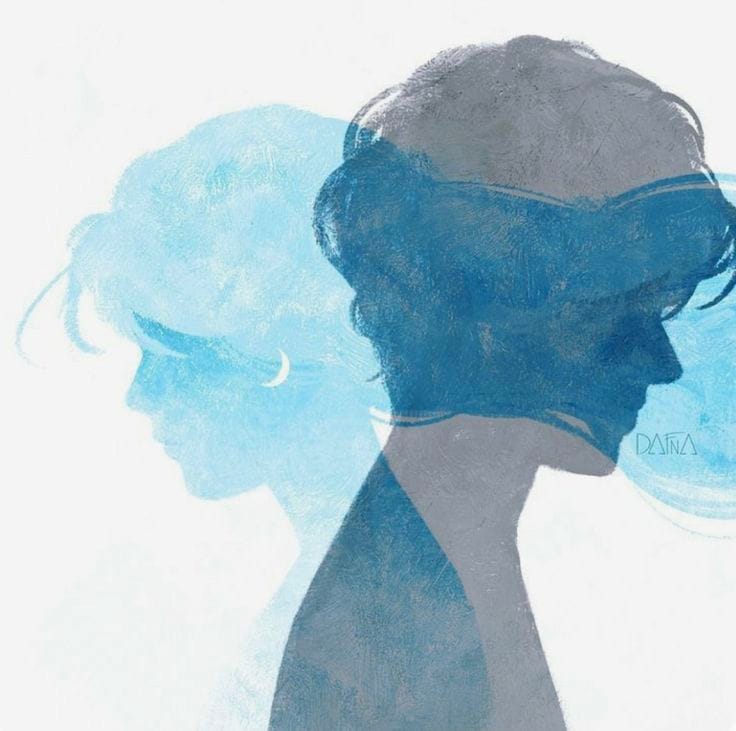
But if you manage to muster all the courage you have and come clean about your feelings, you have taken the chance to pursue your love.
Then, if that person reciprocates your feelings and returns the affection, you can get into the talking stage. And unfortunately, if that doesn't happen, you get dumped, and you casually proceed to the grieving stage and finally the healing phase. But there's one thing that's far more dangerous than getting rejected. It's being kept on the bench, which means he or she says neither no nor yes. That's the worst-case scenario, which leads to tons of more hurt and misunderstandings.
And now, if you are in the talking stage, you both decide if it's a casual situationship or a real relationship. From time to time, you go on dates, understand each other, set boundaries, make promises, and all is well. But even during that period of time, lots of things could happen... For example, you may get ghosted, or vice versa, you could get love bombed, which means you get an extreme amount of fake love and attention as a form of manipulation. Also, sometimes you can suddenly get the ick because of something they suddenly do, and you are no longer attracted to that person. Then you either break up or suck it up. But if things do really go well, then that means you are officially over the Gen Z bullshit, and now you are in a real relationship. Then that relationship is officially locked in, and most of the time, it's the endgame. But sometimes, even after years of commitment, things can get out of control, and you find yourself back at the very beginning. No number of years, no amount of gifts, and no amount of promises could guarantee you that you will have lifelong happiness with this partner. That's the nature of companionship, as we are all human. I think we have no right to judge or pinpoint faults in a relationship, as a relationship is made of two people, and those two people had completely different upbringings, and every thought is relative to their own mindset.
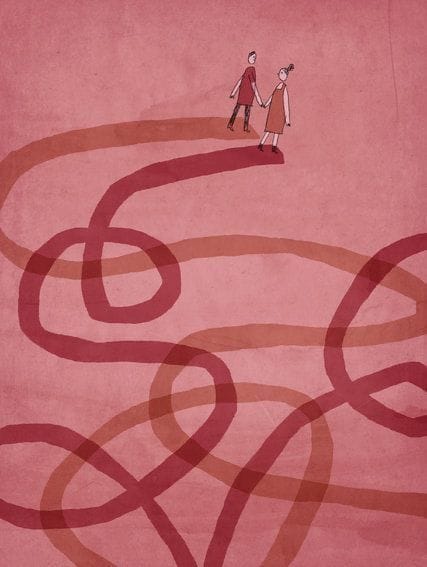
But what I feel is that the difference between Gen Z and the older generation when it comes to relationships is that they always come back to their respective partners, no matter what the problem is or how hard the times get. They find their way back to each other. When facing challenges, they crash out, maybe have heated arguments, but still, at the end of the day, they know in their hearts that they will stay together no matter what. But the reason for that decision may differ... It may be out of love, respect, and trust, but also because of social pressure and influence. But whatever the reason, their relationship perseveres for decades.
But we Gen Zs are made out of separate genes. We run away when there's an issue and choose not to come back, either because we saw our parents struggle because of their choice to come back or because we are a dumb generation who escape from problems. Our first thought is to flee when a problem is encountered. Either we lack trust or lack commitment, but we are determined not to dwell in hardships.

Either way, what I believe is that there should be a middle ground to settle in between these two behaviors: coming back and running away. Coming back is not always the best choice, but running away is also not the wise decision. Coming back is highly advised if the reason for the dispute is minor and the trust, which is the base level of a relationship, is not damaged. But we should also be able to leave without regret if the foundation of the relationship is damaged beyond saving. As it's said, a broken vase is no longer a vase; no amount of time or effort would be enough to rebuild a broken bond.
It's important, as the future generation of lovers, for us to first understand ourselves, our values, and the nature of the relationships we choose to build. We must learn to distinguish between a temporary disagreement that deserves another chance and a deeper wound that requires us to let go. Love should not be about endlessly returning to something that hurts us, nor should it be about abandoning something beautiful at the first sign of difficulty. Instead, it should be about having the emotional intelligence to know when to hold on and the courage to let go when holding on only means losing ourselves.
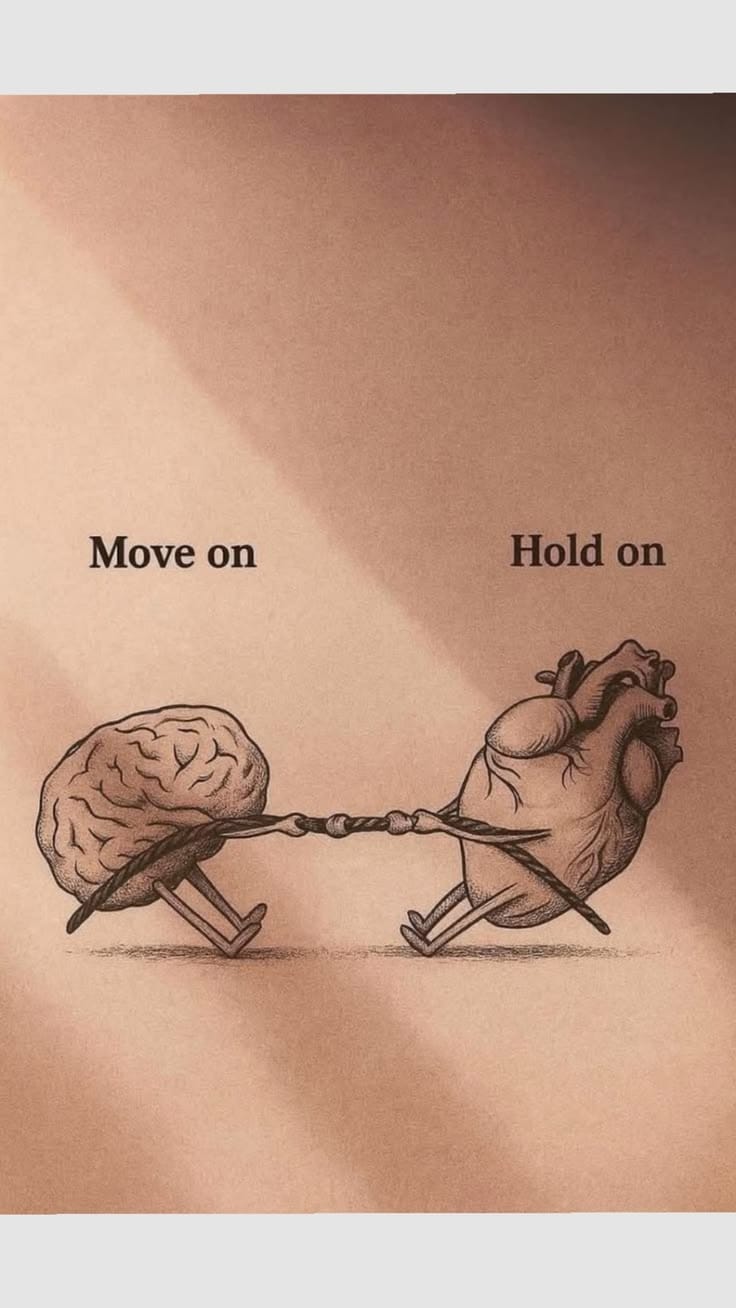
I genuinely hope that my fellow Gen Z peers will find this middle ground, learning not only how to love deeply but also how to love wisely, knowing by heart when not to run and, perhaps more importantly, when it is finally time to run.