Natural vs. Synthetic: What Really Belongs in Your Wardrobe?
Every morning, you make a fiber decision without even realizing it. That cotton T-shirt, that quick-drying gym top, that cozy wool jumper each one is the product of a fiber with its own chemistry, structure, and story. Choosing the right fabric isn't only about fashion. It shapes how comfortable you feel, how you care for your clothes, and even your environmental footprint.

So, does this mean natural fibers always win? Not necessarily; it depends on what you need the garment to do. Synthetic fabrics like polyester and nylon resist wrinkling and hold their shape well because their polymer chains are more uniform and less prone to the kind of moisture driven swelling that causes natural fibers to crease. This is exactly why synthetics dominate sportswear and travel clothing. Natural fabrics can wrinkle, shrink, or need gentler washing, but many people still choose them for how they feel against the skin over a full day of wear.

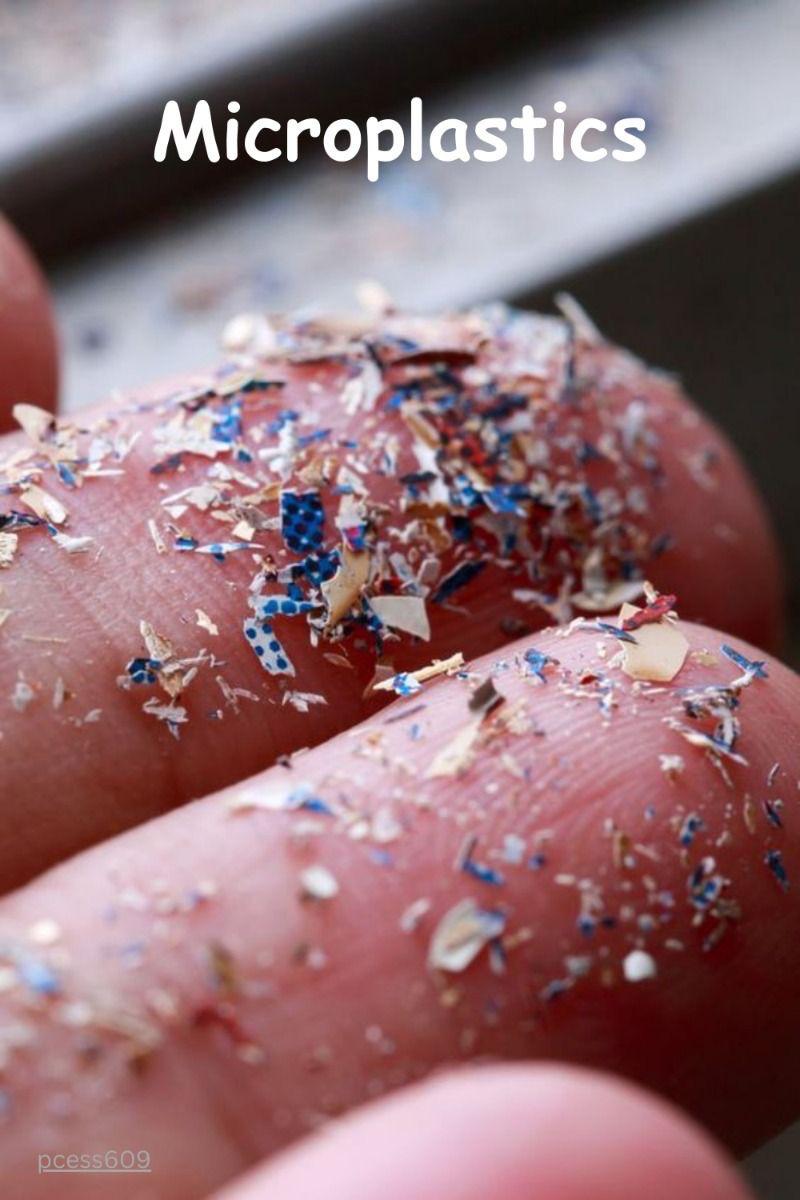
Environmental impact adds another layer, and it's more complicated than "natural = green." Natural fibers come from renewable sources and are generally biodegradable under the right composting conditions. But growing them isn't free of environmental cost: cotton, for instance, is a notably water- and pesticide-intensive crop in conventional farming, and land-use and dyeing processes still carry an environmental footprint regardless of fiber origin. Synthetic fibers, on the other hand, are made from fossil-fuel-derived polymers, take far longer to break down in landfill, and shed microplastic fibers during washing a growing area of research, since these microfibers are increasingly detected in waterways and even in drinking water and marine life.
There's also a category that doesn't fit neatly into either side. Semi-synthetic, or regenerated, fibers like viscose/rayon, modal, and lyocell (often sold as Tencel) sit in between: they're made from natural cellulose, usually wood pulp, that's chemically processed into fiber form. Lyocell in particular is produced using a closed-loop solvent system that recovers and reuses most of its processing chemicals, making it one of the more resource-efficient options in the "plant-based" category.
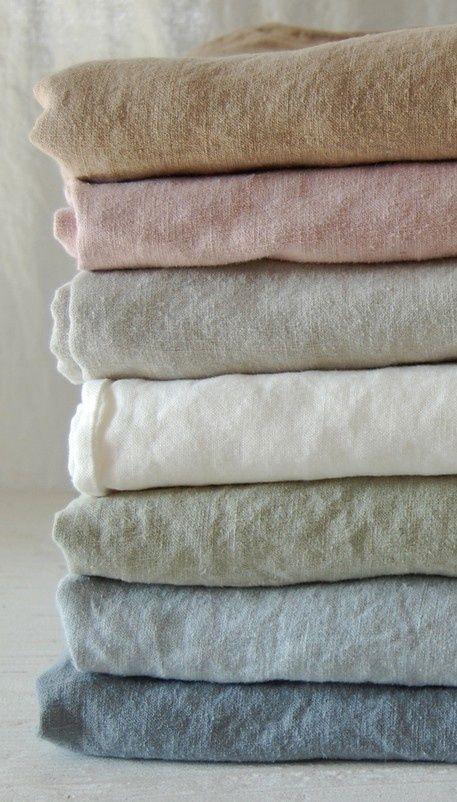
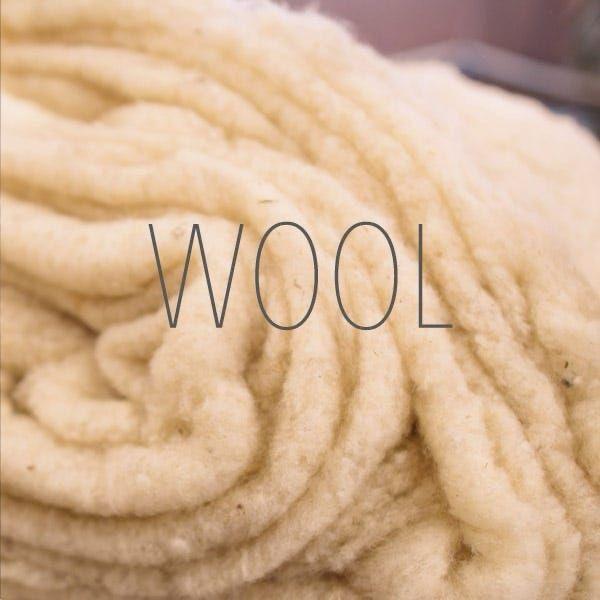
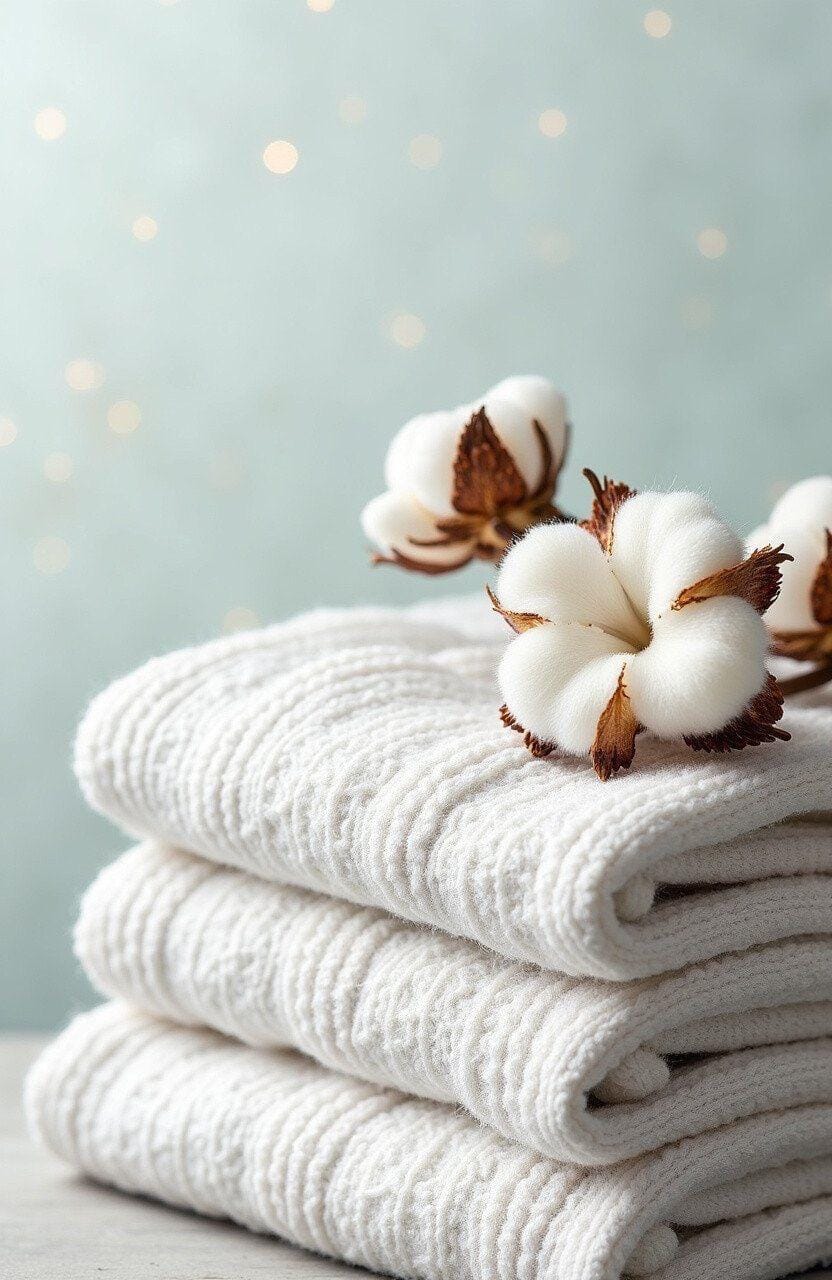
None of this comes through more clearly than in how a fabric actually feels against the skin. Ever felt your clothes turn hot and sticky on a warm day? That's where natural fibers tend to have the edge. Fabrics like cotton, linen, and wool manage heat and moisture differently because of their fiber structure and chemistry. Cotton fibers are made almost entirely of cellulose, which contains hydroxyl groups that readily bond with water molecules. This is why cotton can absorb roughly a quarter of its own dry weight in moisture before it starts to feel wet. Wool behaves differently: its scaly outer layer, the cuticle, repels liquid water on the surface, while the fiber core absorbs water vapor internally. This is why wool can take up a substantial amount of moisture vapor, often well above its own dry weight in humid conditions, without feeling damp against the skin a property especially useful in changing weather. Linen, made from flax, has a naturally porous, hollow fiber structure that promotes airflow, which is why lightweight linen garments feel cool and dry quickly even in humid heat.
Synthetic fibers like polyester and nylon, by contrast, are largely hydrophobic; they absorb very little moisture directly into the fiber itself. This is exactly why sportswear often uses synthetics: instead of absorbing sweat, the fabric wicks it along the fiber surface to be evaporated, which is useful for performance but can feel less breathable during passive, everyday wear.
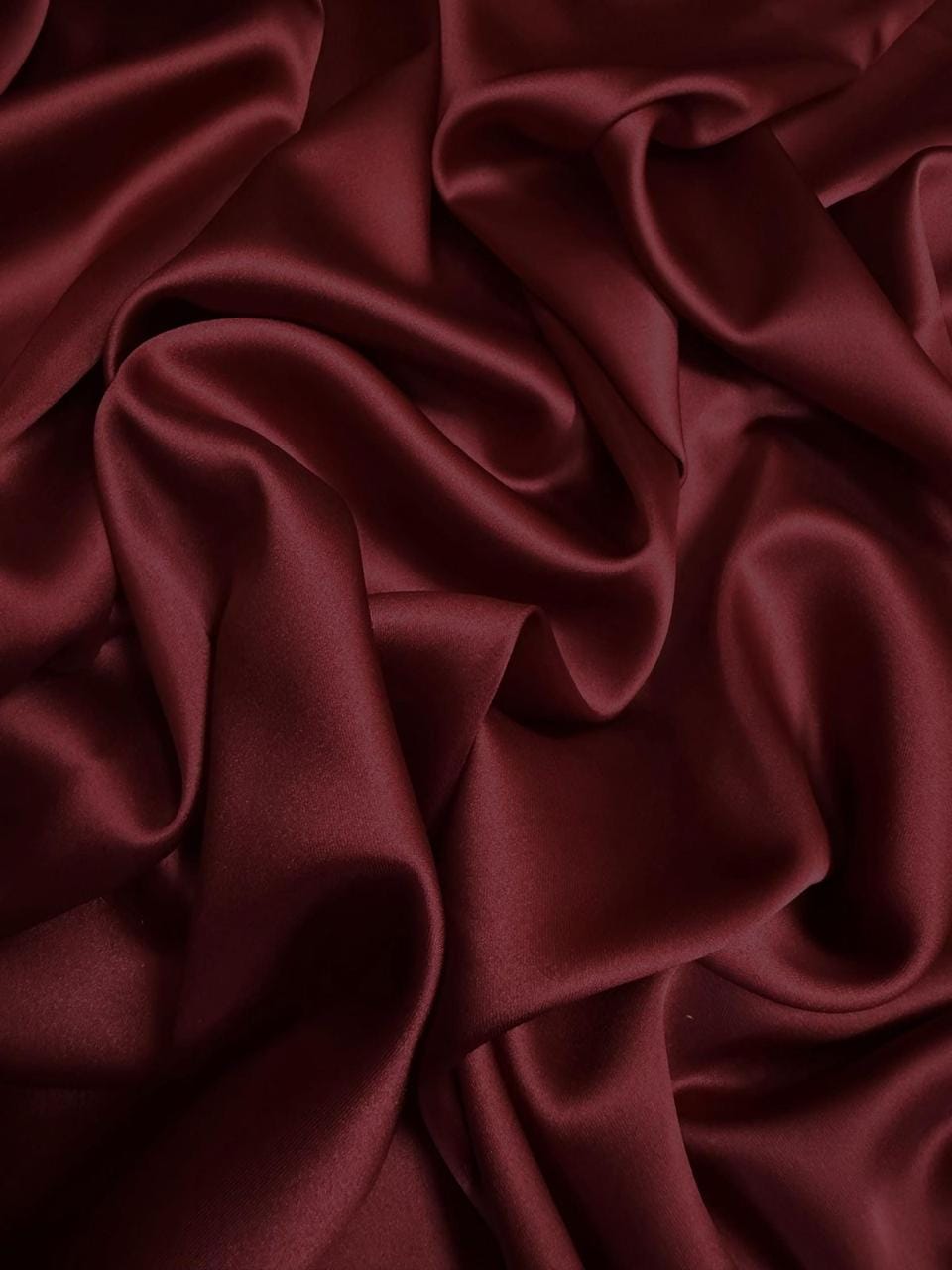
What makes a fabric feel good against skin isn't just moisture management, though; it's fiber diameter, surface texture, and flexibility. Natural fibers offer a genuinely wide comfort range. Silk's smoothness comes from its unusually fine, triangular-shaped filament structure, which reflects light and glides over skin with minimal friction. Cashmere's softness comes down to fiber fineness; cashmere fibers are typically under 19 microns in diameter, finer than most sheep's wool, which is why it feels so much softer against the skin. Merino wool follows the same principle at a slightly larger scale: it's finer than traditional coarse wool, which can cause the "itchy jumper" sensation, so it provides warmth without the prickle. Cotton's comfort comes from its natural crimp and moderate fiber stiffness, giving the familiar softness of everyday basics. Linen fibers are stiffer and less flexible than cotton when new, which is why linen often feels crisp out of the packet, but repeated washing breaks down some of the fiber's internal pectin bonds, which is why linen visibly softens with wear and age.
What you wear touches your skin, your comfort, and cumulatively, across millions of garments, the planet. Natural fibers bring breathability, softness, and biodegradability under the right conditions. Synthetic fibers bring durability, moisture-wicking performance, and easy care. Semi synthetics offer a middle path worth knowing about. There's no single "correct" fiber; only the right one for a given use.
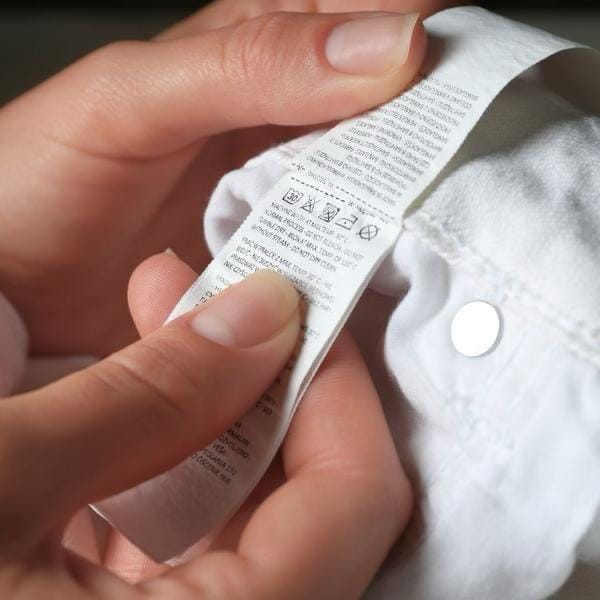
So next time when you're picking up a piece of clothing, look past the color and the price tag for a second. Check the fabric label. Knowing what's actually touching your skin, and why it behaves the way it does, is a small habit that pays off in comfort, in how long your clothes last, and in the choices, you make as a consumer.